Best Recovery Equipment for Gyms in 2026
The best recovery equipment for gyms in 2026, from ice baths to red-light beds. Indicative costs, throughput and ROI for operators.
The best recovery equipment for gyms in 2026 combines cold immersion (ice baths), heat (saunas), red-light and PEMF beds, and contrast set-ups. The strongest commercial choices balance throughput, durability and a clear membership-revenue story – prioritising modalities that members will pay a premium to access and that an operator can run reliably at scale.
Why is recovery now a core gym revenue stream?

Recovery has shifted from a poolside afterthought to a headline membership feature. Operators are carving out dedicated recovery zones because members increasingly expect more than weights and cardio. A well-specified recovery suite can support premium tiers, day passes and add-on packages – turning underused floor space into a margin centre. The modalities associated with recovery (cold, heat, light, compression) are popular because members perceive tangible value, and that perception drives retention.
For a full view of what a commercial fit-out can include, explore our complete range of human-performance and recovery equipment.
What are the best recovery modalities for a gym in 2026?
Cold immersion and ice baths
Cold-water immersion remains the anchor of most recovery zones. It is visible, social and strongly associated with post-training recovery in peer-reviewed research. Commercial units hold water around 3–10°C with built-in chilling and filtration, which is essential for multi-user throughput. Browse purpose-built options in the Helix Cold collection, or consider a versatile entry point such as the Helix Ice Bath Oval.
Heat and contrast
Saunas pair naturally with cold to enable contrast therapy – alternating hot and cold exposure that members find both restorative and ritualistic. Heat is associated with relaxation and circulatory benefits at the modality level.
Red-light and PEMF beds
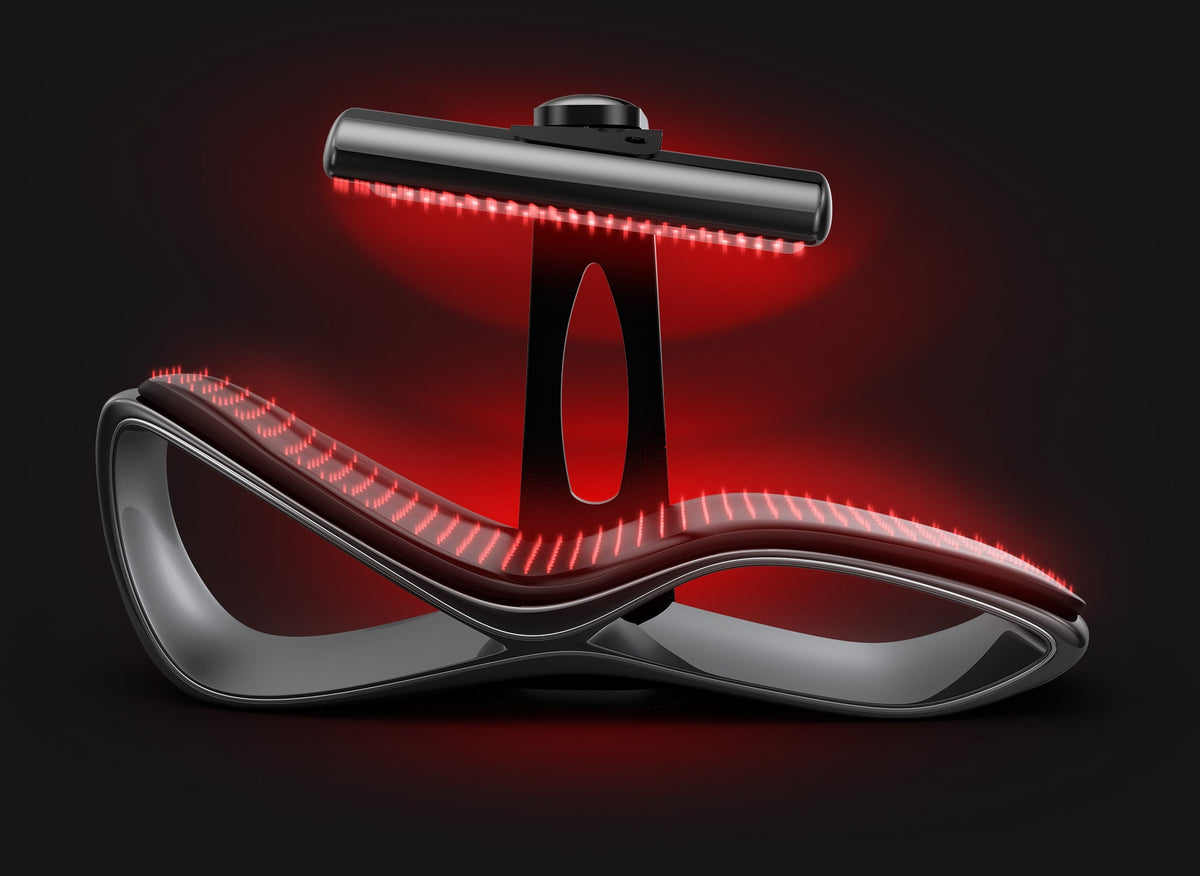
Light-based and PEMF platforms add a passive, low-supervision option ideal for booked sessions. A red-light bed such as the Red Couch 360 delivers full-body coverage and slots neatly into an appointment model. Explore the wider Helix Recovery collection for beds and complementary kit.
Hybrid cold systems
For space-constrained sites, a multi-function unit like the Cryo Hybrid consolidates cooling capability into a single footprint, simplifying installation and maintenance.
How much does commercial recovery equipment cost?
The figures below are indicative and typical ranges only; final pricing depends on specification, installation and site requirements. They are intended to help operators budget and model payback.
| Modality | Indicative capital cost (GBP) | Typical session length | Supervision |
|---|---|---|---|
| Commercial ice bath | £4,000 – £12,000 | 3 – 10 mins | Low – medium |
| Sauna (barrel/cabin) | £5,000 – £20,000 | 15 – 30 mins | Low |
| Red-light bed | £15,000 – £45,000 | 10 – 20 mins | Low |
| PEMF bed | £6,000 – £20,000 | 15 – 30 mins | Low |
| Hybrid cold system | £8,000 – £25,000 | 3 – 10 mins | Low – medium |
How do operators calculate payback?
A simple model helps. If a recovery add-on sells at £8 per session and a single ice bath supports, say, 12–20 sessions per day at modest utilisation, gross recovery revenue can build quickly. Against an indicative £4,000–£12,000 capital cost, many operators target payback inside 12–24 months – though individual results vary with footfall, pricing and running costs such as electricity and water treatment. The key levers are:
- Throughput – shorter sessions and multiple units raise daily capacity.
- Pricing model – premium tier, pay-per-use, or bundled packages.
- Running costs – chilling, heating and maintenance.
- Retention uplift – recovery features are associated with stronger member loyalty.
How should you specify a recovery zone?
Start with your space, then your member profile. A boutique studio may begin with one ice bath and a barrel sauna for contrast; a large health club can layer in red-light and PEMF beds for bookable, low-supervision revenue. Prioritise commercial-grade units with robust filtration, warranties and serviceable components – consumer kit rarely survives multi-user demand. Plan drainage, power and ventilation early, as these often dictate layout.
FAQ
What is the single best piece of recovery equipment to start with?
For most gyms, a commercial ice bath offers the best balance of low capital cost, high visibility and strong member appeal. It is an effective anchor you can expand around.
Is recovery equipment a medical device?
The equipment discussed here is wellness equipment, not a medical device. Benefits are framed at the modality level and individual results vary; it is not intended to diagnose, treat or cure any condition.
How much space do I need for a recovery zone?
A starter zone with an ice bath and sauna can fit in around 10–15 square metres, plus circulation. Red-light and PEMF beds each need a private or semi-private bay of roughly 6–9 square metres.
What are the main running costs?
Electricity for chilling and heating, water and filtration for cold immersion, and routine servicing. These vary by usage and unit specification.
Can members self-serve, or do I need staff?
Most modalities can be largely self-serve with clear signage and induction. Cold immersion benefits from a brief member induction and visible safety guidance.
Ready to build a recovery zone that members will pay for? Explore the Helix Recovery collection or request a tailored quote, and our team will help you specify the right mix for your space and footfall.