Body Contouring Machines for Studios: A Practical Guide (2026)
A practical 2026 guide to commercial body contouring machines for studios: technologies, indicative costs, throughput and ROI for operators.
A commercial body contouring machine is a non-invasive device studios use to support body-shaping and skin-firming sessions, typically using technologies such as radiofrequency, vacuum, electromagnetic muscle stimulation or infrared heat. For studios in 2026, the right choice balances treatment versatility, throughput, training requirements and a clear per-session revenue model – while keeping all claims at the cosmetic, wellness level.
What is a body contouring machine?

Body contouring machines are non-invasive devices designed to support the appearance of body shape and skin tone. They are wellness and aesthetic devices, not medical devices, and are not intended to diagnose, treat or cure any condition. Results are associated with consistent session courses and lifestyle factors, and individual results vary. The category spans several core technologies, each suited to different studio positioning. Browse current commercial options in the Helix Active collection.
Which body contouring technologies should studios consider?
Radiofrequency (RF) and vacuum
RF uses controlled heat to warm tissue and is commonly associated with skin-firming and smoothing appearances. Combined with vacuum massage, it supports contouring-style sessions that clients find comfortable and relaxing.
Electromagnetic muscle stimulation
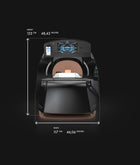
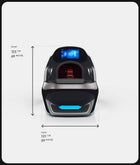
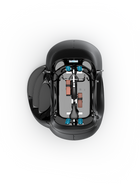
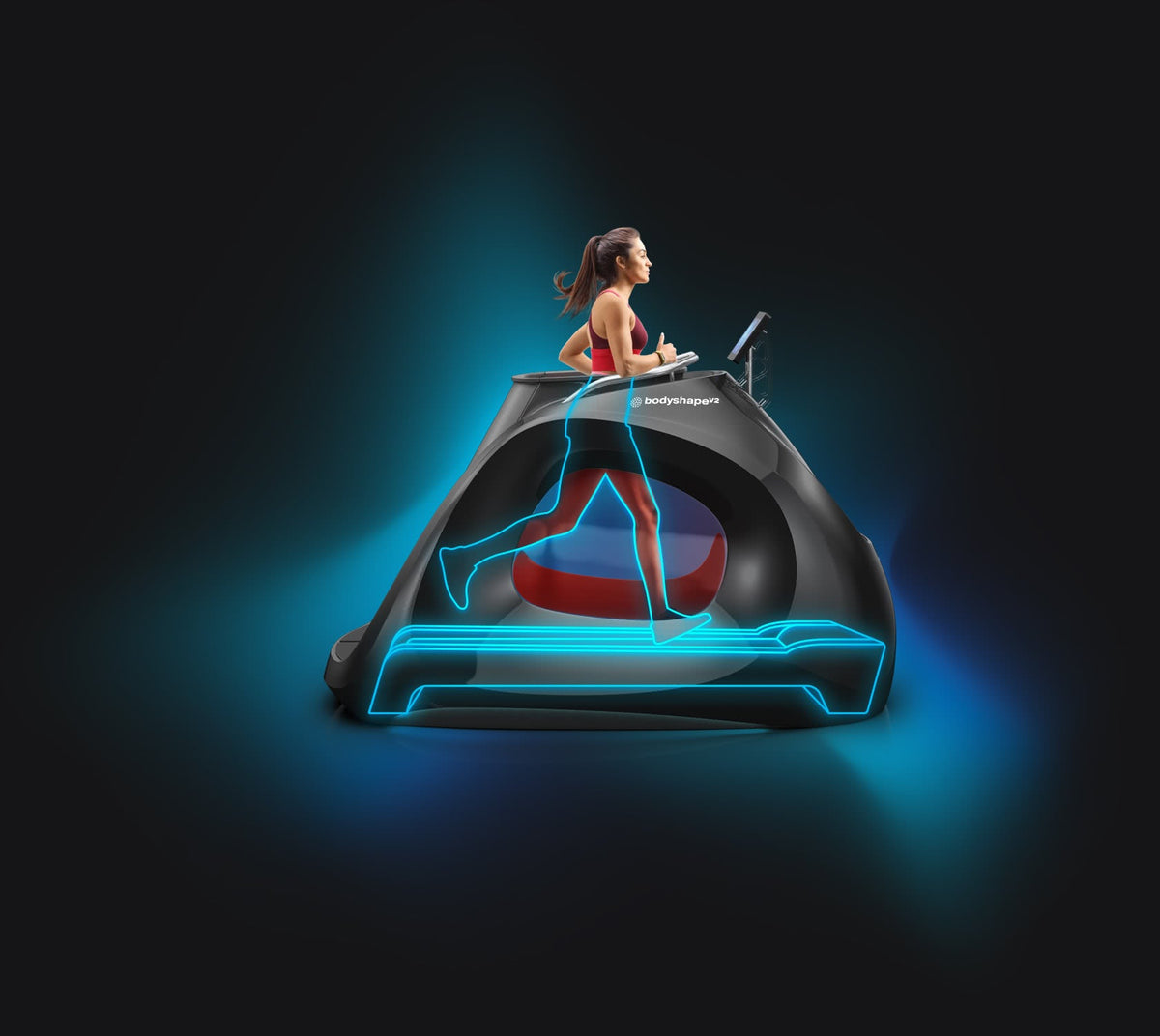
This technology induces muscle contractions and is associated with toning-style sessions. It appeals to clients seeking a more active, performance-adjacent treatment. A multi-modality platform such as the BodyShape V2 brings several of these capabilities into one commercial unit.
Infrared heat
Infrared-based systems use gentle heat and are associated with relaxation and a warming, wellness-led experience. A horizontal infrared platform like the InfraShape Horizontal V2 suits studios wanting a comfortable, lie-down format that is easy to staff and pleasant for clients.
How much do commercial body contouring machines cost?
The figures below are indicative, typical ranges only and will vary with specification, applicators, training and finance terms. Use them for budgeting and ROI modelling.
| Technology | Indicative capital cost (GBP) | Typical session length | Indicative session price |
|---|---|---|---|
| RF + vacuum platform | £6,000 – £18,000 | 30 – 60 mins | £40 – £90 |
| Electromagnetic muscle | £12,000 – £30,000 | 20 – 30 mins | £60 – £150 |
| Infrared horizontal | £5,000 – £15,000 | 30 – 50 mins | £30 – £70 |
| Multi-modality unit | £10,000 – £28,000 | 30 – 60 mins | £50 – £120 |
How do studios model the return on investment?
Body contouring typically sells in courses, which improves both revenue per client and retention. If a course of six sessions sells at an indicative £60 per session, a single client course contributes meaningfully toward a machine that costs £6,000–£18,000. Many operators target payback within 12–24 months, though individual results vary with pricing, utilisation and marketing. Key levers include:
- Course pricing – packaged multi-session programmes raise average client value.
- Throughput – shorter sessions and multiple applicators increase daily capacity.
- Staffing model – some platforms run with minimal supervision; others need trained operators.
- Add-on positioning – pairing with existing treatments boosts attach rates.
What should you check before buying?
Prioritise commercial-grade build, manufacturer training and clear warranty and servicing terms. Confirm the supplier provides marketing guidance that keeps claims compliant and cosmetic. Consider footprint, power requirements and whether a horizontal or upright format suits your room layout and client comfort. Finally, check applicator range – broader applicators allow you to treat more body areas and sell more varied packages.
FAQ
Are body contouring machines medical devices?
The platforms discussed here are cosmetic and wellness devices, not medical devices. They are not intended to diagnose, treat or cure any condition, and individual results vary.
Do I need special qualifications to operate them?
Requirements vary by technology and local regulation. Most reputable suppliers provide operator training; always confirm any insurance and local compliance requirements before launching treatments.
How many sessions do clients typically book?
Body contouring is usually sold in courses, commonly around six to twelve sessions, often with maintenance sessions thereafter. Selling courses improves both outcomes perception and studio revenue.
How much space does a machine need?
A typical treatment room of around 9–12 square metres comfortably accommodates a machine, a couch and the operator, with room for client privacy.
Which technology is best for a new studio?
A versatile RF or multi-modality platform is a sensible starting point because it supports several session types from one unit, broadening your service menu without multiple purchases.
Want help choosing the right platform for your studio? Explore the Helix Active collection or request a quote, and our team will recommend a configuration matched to your space, clientele and revenue goals.