Cold Plunge Hygiene & Maintenance: An Operator's Guide
A practical operator's guide to cold plunge hygiene and maintenance: filtration, sanitisation, water changes, schedules and indicative GBP running costs.
Keeping a commercial cold plunge hygienic comes down to four things: continuous filtration, an appropriate sanitiser such as chlorine or ozone, disciplined water testing, and a clear cleaning schedule. Done well, a modern plunge with built-in filtration and chilling keeps water clear and safe with only minutes of daily attention. This guide covers the routines, indicative GBP running costs and the kit that makes hygiene straightforward for any facility.
Why does cold plunge hygiene matter?

A cold plunge is a shared body of water used by multiple guests a day, so hygiene is both a guest-experience and a duty-of-care issue. Cold water slows but does not stop microbial activity, and bathers introduce skin oils, sweat and debris with every use. Without filtration and sanitisation, water clarity drops, biofilm builds and the experience suffers. Good practice protects guests, protects your reputation and extends the life of your equipment.
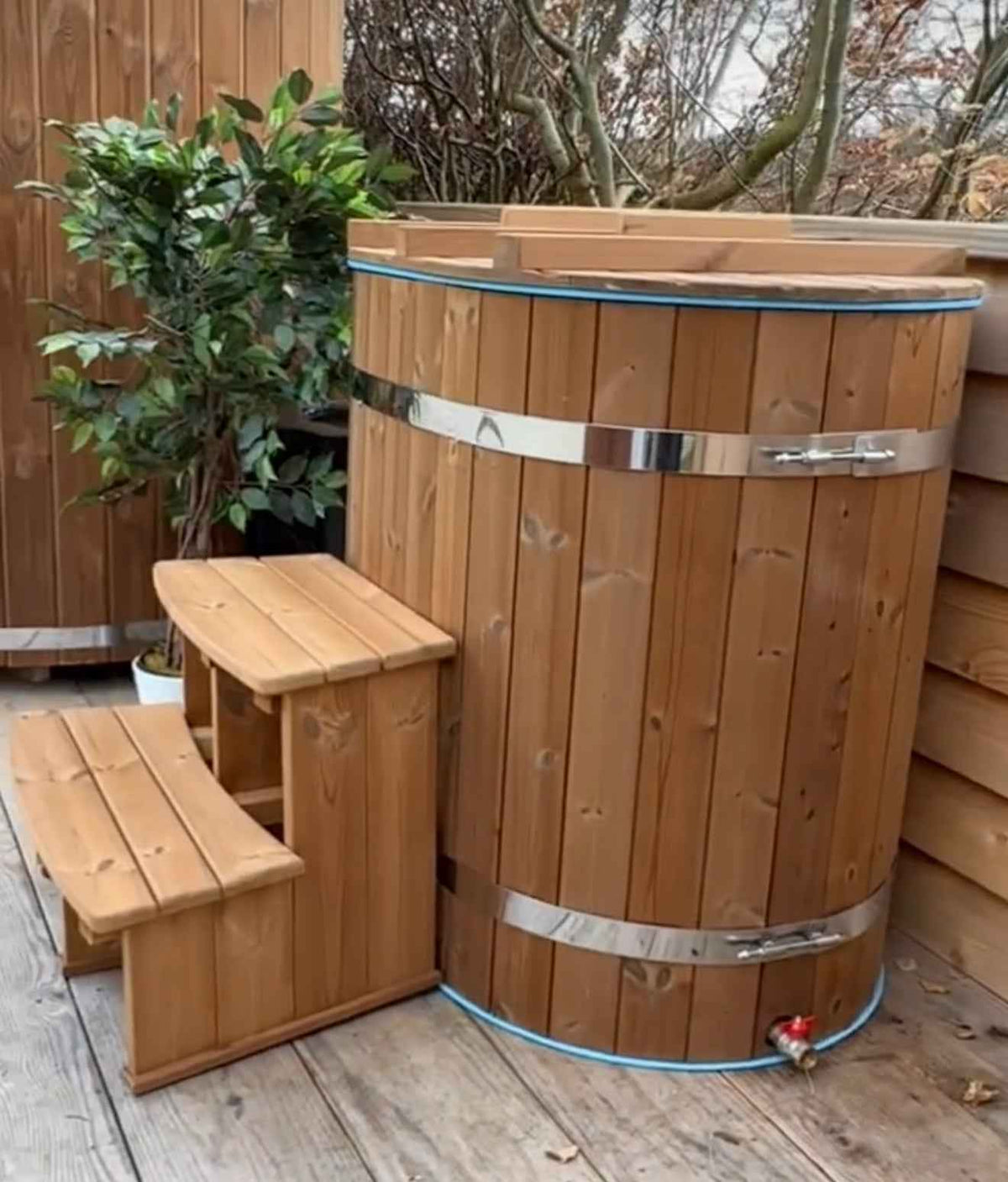
Modern plunges make this manageable. Units such as the Helix Ice Bath Oval and others in the Helix Cold range integrate chilling, filtration and sanitisation so operators spend less time on upkeep.
How do you keep cold plunge water clean?
Effective hygiene rests on a few layered systems working together.
Filtration
A circulation pump and filter remove particulates continuously. Cartridge filters are common and should be rinsed regularly and replaced periodically. Keep the pump running on a schedule that turns the water over multiple times a day rather than only when the plunge is in use.
Sanitisation
Filtration removes debris but does not kill microbes, so a sanitiser is essential. Chlorine and bromine are widely used and dosed to maintain a target residual; ozone and UV systems can reduce reliance on chemicals. Whichever you choose, the aim is a consistent, correctly maintained sanitiser level at all times.
Water balance and testing
Test water at least daily – more often in busy periods – for sanitiser level and pH. Balanced water keeps sanitiser effective, protects equipment from scale or corrosion, and keeps the plunge comfortable. Log every test so you have an auditable hygiene record.
What does a maintenance schedule look like?
A simple, consistent routine keeps a plunge in top condition. The table below outlines a typical schedule with indicative GBP running costs; actual figures vary by usage, plunge size and local prices.
| Task | Frequency | Indicative cost (GBP) |
|---|---|---|
| Test sanitiser & pH; top up chemicals | Daily | £1 – £3 / day |
| Skim surface; wipe waterline | Daily | Labour only |
| Rinse cartridge filter | Weekly | Labour only |
| Deep clean & shock dose | Weekly / fortnightly | £5 – £15 |
| Replace filter cartridge | Every 1–3 months | £20 – £60 |
| Full water change & sanitise tub | Every 1–3 months | £10 – £40 (water + energy) |
How often you change the water depends on bather load and your sanitisation setup. High-traffic plunges need more frequent changes; well-filtered units with ozone or UV can extend intervals. Always follow the manufacturer's guidance for models such as those in the Helix Cold range.
How can operators reduce the hygiene burden?
A few habits make a large difference. Require guests to shower before plunging to cut the oils and debris entering the water. Use a cover when the plunge is closed to keep out contaminants and reduce energy loss. Keep the circulation pump running to your schedule rather than intermittently. And keep a written log of tests and tasks – it supports consistency, staff handovers and any compliance checks. Choosing a unit with integrated filtration and sanitisation, like the Helix Ice Bath Oval, removes much of the manual effort from day one.
Frequently asked questions
How often should I change cold plunge water?
It depends on bather load and sanitisation. Many commercial operators change water every one to three months with good filtration and sanitiser control, more often in high-traffic settings. Follow your manufacturer's guidance.
Do cold plunges need chlorine?
They need a sanitiser, and chlorine is one common, effective option. Alternatives such as bromine, ozone and UV can reduce chemical reliance. The key is maintaining a consistent, correctly dosed sanitiser level at all times.
Does cold water keep bacteria away on its own?
No. Cold slows microbial activity but does not sterilise the water. Filtration and sanitisation are still essential, because bathers continually introduce contaminants regardless of temperature.
How much does cold plunge upkeep cost?
Daily chemical and testing costs are typically only a pound or two, with periodic filter and water-change costs on top. Across a month, running costs are modest relative to the revenue a well-used plunge generates.
Can I reduce maintenance time?
Yes. Pre-plunge showers, covers, scheduled circulation and an integrated filtration-and-sanitisation unit all cut the daily burden. Explore low-maintenance options across the Helix Cold range.
Run a cleaner, simpler cold plunge
Strong hygiene protects your guests, your reputation and your equipment – and with the right unit it need only take minutes a day. If you want a plunge engineered for easy upkeep, the Helix team can help. Explore the Helix Ice Bath Oval, compare the Helix Cold range, and contact us for advice tailored to your facility.