Cryotherapy ROI: Payback Maths for Gyms & Clinics (2026)
How fast does a cryotherapy chamber pay back? We model realistic gym and clinic ROI with indicative GBP pricing, session volumes and break-even maths.
A commercial cryotherapy chamber typically pays back in roughly 12 to 30 months for a busy gym or clinic. With indicative kit pricing of £25,000 – £60,000 and per-session pricing of £15 – £35, even modest daily volumes can cover finance and running costs within the first two years. Throughput and pricing are the levers that matter most.
How is cryotherapy ROI calculated?

Return on investment is simply how long the chamber takes to repay its cost from the margin it generates. The maths is straightforward: monthly contribution equals sessions sold multiplied by net price per session, minus running costs. Divide the capital cost by that monthly contribution and you have an approximate payback period in months.
The three variables you control are price per session, sessions sold per day, and operating cost. Get those right and a cryotherapy station can become one of the highest-margin square metres in your facility. Browse current options in our cold therapy collection to anchor your capital figure.
What does a cryotherapy chamber cost?
Pricing depends on type. Electric chambers carry no nitrogen running cost and suit unattended commercial use; nitrogen units can be cheaper to buy but add a consumable. The figures below are indicative, typical ranges for planning only.
| Item | Indicative range (GBP) | Notes |
|---|---|---|
| Electric cryo chamber | £35,000 – £60,000 | No nitrogen; lower per-session cost |
| Single-person cryo cabin | £25,000 – £40,000 | Compact footprint |
| Price charged per session | £15 – £35 | Often bundled into memberships |
| Running cost per session | £2 – £6 | Energy; nitrogen if applicable |
| Session length | 2 – 4 minutes | High throughput potential |
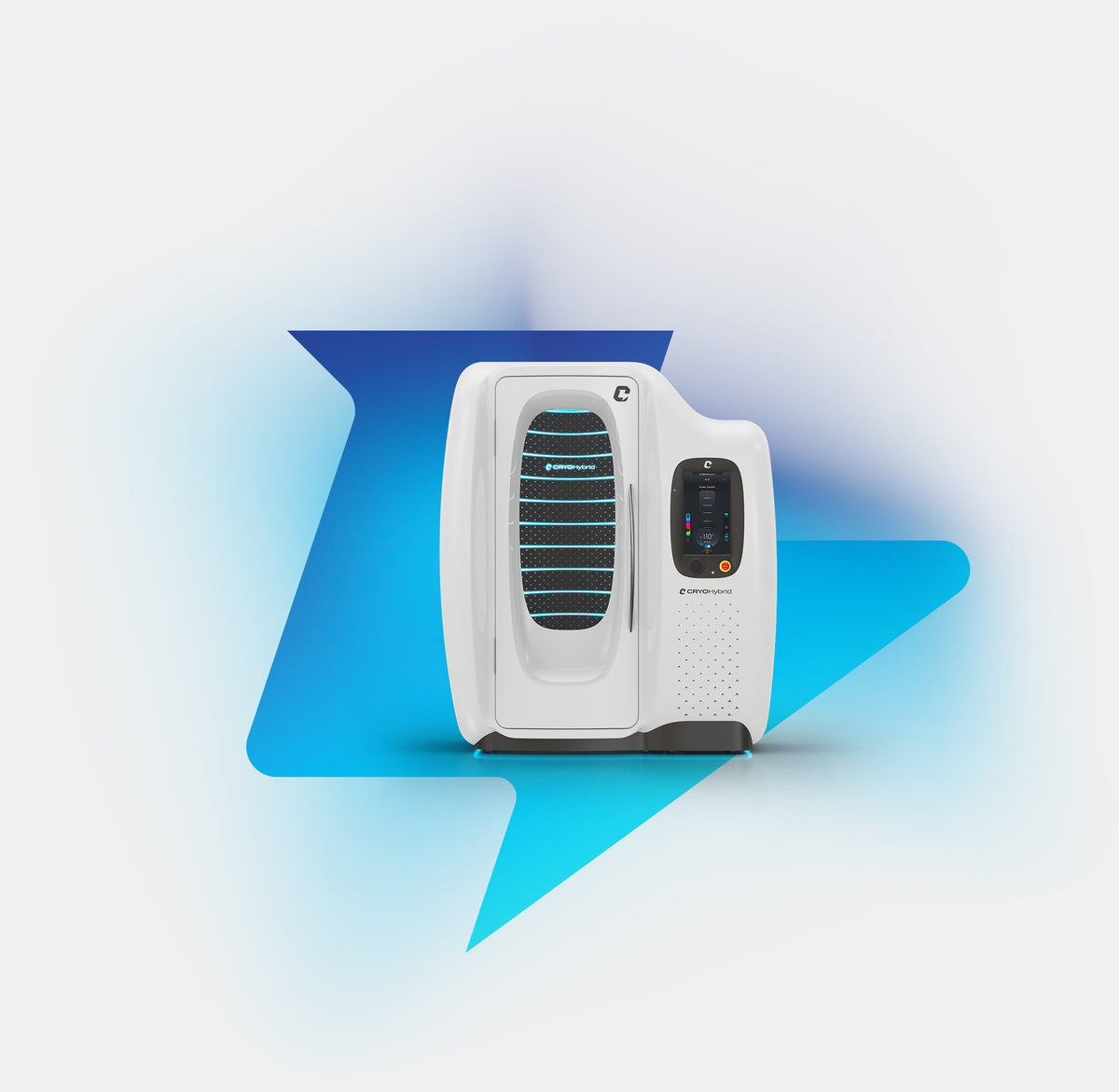
The Cryo Hybrid and the Cryo Q One sit toward the premium, electric end of this range, designed for sustained commercial throughput where queue time and member experience matter.
What does a realistic payback look like?
Consider an indicative model: a chamber costing £45,000, charging £20 net per session with a £4 running cost, leaving £16 contribution. At 12 sessions per day across 26 trading days, that is roughly 312 sessions monthly, or about £4,990 contribution. On those assumptions the chamber repays its capital in around nine to ten months before finance – and comfortably inside two years once finance and overheads are layered in.
What if volumes are lower?
Halve the volume to six sessions a day and contribution falls to roughly £2,500 monthly, pushing payback toward 18–24 months. The lesson is clear: drive utilisation. Bundling cryo into premium memberships, running contrast routines and promoting peak-hour slots all lift sessions per day.
How do gyms and clinics differ?
Gyms tend to sell volume at a lower price, folding cryo into membership tiers to boost retention and perceived value. Clinics and sports-recovery sites often command higher per-session prices from a recovery-focused clientele, accepting lower volume at stronger margins. Both routes work; the model simply rebalances price against throughput.
Frame the member benefit carefully. Cryotherapy is associated with post-exercise comfort, alertness and recovery routines, and individual results vary. The equipment is wellness equipment, not a medical device, so avoid treatment or cure claims and keep messaging at the modality level. Peer-reviewed research into cold exposure continues to evolve.
FAQ
Is cryotherapy cheaper to run than ice baths?
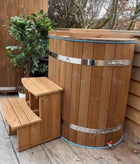
Per session, electric cryotherapy can be efficient because sessions are short and there is no water to chill and treat continuously. Ice baths have lower capital cost but ongoing chilling and water management. The right choice depends on throughput and positioning.
How many sessions a day can one chamber handle?
With sessions of two to four minutes plus changeover, a single chamber can serve several members per peak hour. Realistic daily volumes of 10–20 are achievable in a busy facility.
Should I finance or buy outright?
Financing spreads cost and is often covered by session revenue from month one, protecting cash flow. Buying outright removes interest. Model both against your projected utilisation.
What ongoing costs should I budget?
Energy, routine maintenance, staff time and, for nitrogen units, gas supply. Electric chambers remove the nitrogen consumable, simplifying the operating model.
How quickly will it pay back?
On the indicative assumptions above, a busy site can see payback inside 12–30 months. Your figures will vary with price, volume and finance terms; individual results vary.
Want a payback model for your facility? Explore the Helix cold therapy collection and request a quote. We will help you build a realistic ROI projection for the Cryo Hybrid or Cryo Q One matched to your expected volumes.