Infrared Saunas for Commercial Use: Benefits, Cost & ROI
A commercial infrared sauna buyer's guide: benefits, indicative GBP costs, running costs and ROI for gyms, spas, hotels and clinics.
A commercial infrared sauna warms the body directly with infrared emitters at around 45°C to 65°C, rather than heating the air to the 80°C-plus of a traditional sauna. Operators are drawn to infrared for its lower running costs, faster warm-up and gentler heat. This is an honest operator's guide to the format — though it is worth saying up front: Helix supplies traditional and barrel saunas, not infrared cabins, because that is where the deepest evidence and the experience most guests expect both sit. Individual results vary, and any sauna is wellness apparatus rather than a medical device.
What is a commercial infrared sauna?

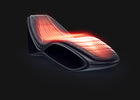
An infrared sauna heats people, not the room. Infrared emitters – typically far-infrared or full-spectrum panels – warm the body directly, so the cabin feels comfortable at a lower air temperature than a conventional Finnish sauna. The practical upshot for a commercial site is real: warm-up takes minutes rather than half an hour, the lower temperatures are gentler on first-time users, and the energy draw is lower than a traditional heater running all day.
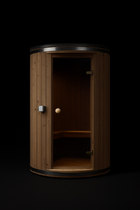
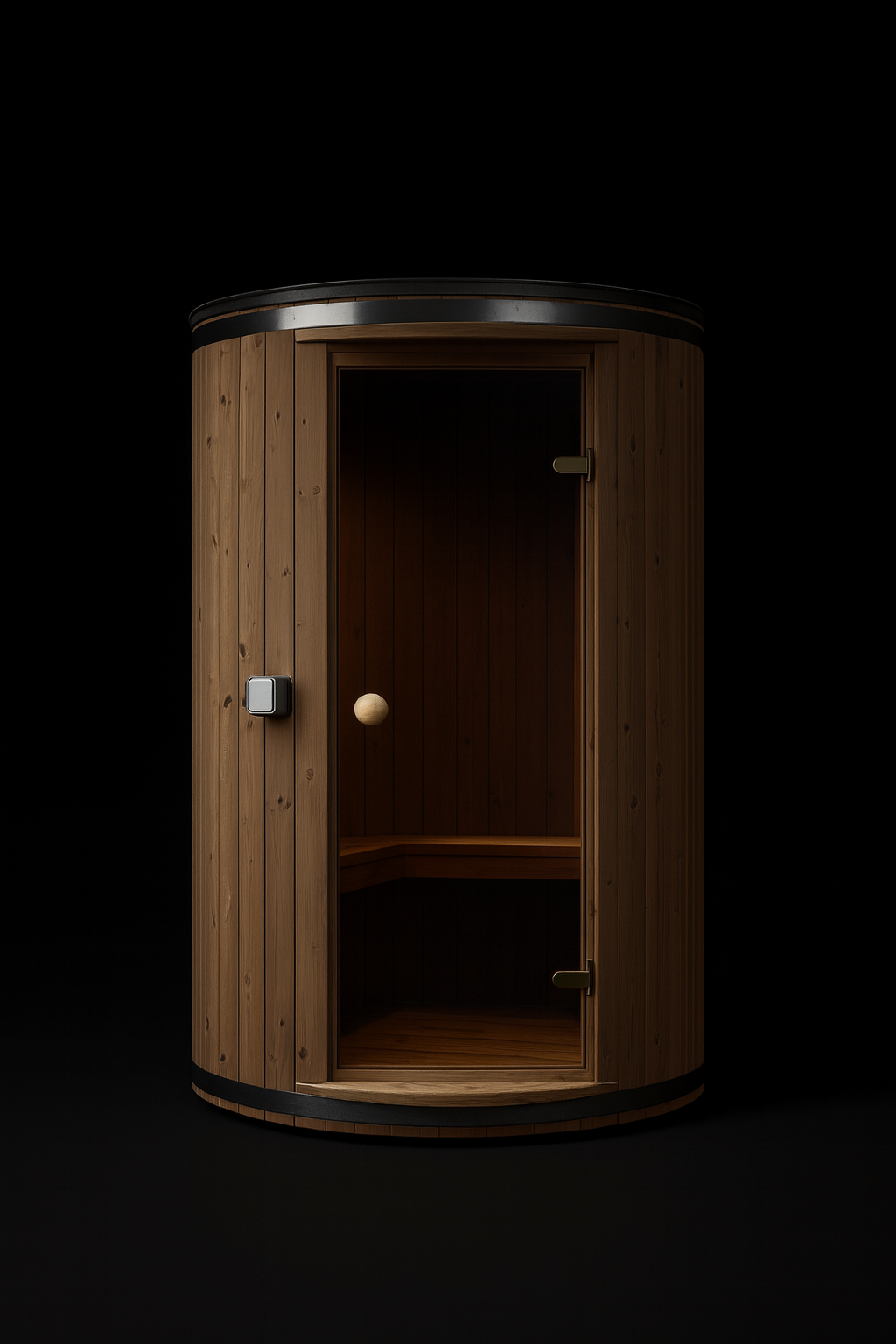
A note on what Helix supplies: our own range is built around traditional and barrel saunas rather than infrared cabins — including the Eldur Barrel Sauna and the wider Helix Heat range. We have kept this infrared guide because operators ask about the format constantly, but for a serious facility our recommendation is traditional heat, where the long-term evidence is strongest.
What are the benefits of infrared heat?
Infrared heat is associated with several outcomes operators can market responsibly as wellness benefits:
- Relaxation – the warm, low-humidity environment is associated with a sense of calm and unwinding that members value.
- Post-exercise recovery – many users report that gentle heat may support muscle relaxation after training.
- Accessibility – lower air temperatures make infrared more approachable for guests who find traditional saunas too intense.
- Operational efficiency – fast warm-up and lower energy use translate into more sessions and lower overheads.
As with all heat modalities, frame these as wellness benefits. Saunas are wellness apparatus, not medical devices, so avoid claims that they treat, cure or detoxify. Language such as “may support recovery” and “individual results vary” keeps your marketing both honest and compliant.
How much does a commercial infrared sauna cost?
Cost depends on capacity, build quality and emitter type. The figures below are indicative GBP ranges to help with budgeting and will vary by specification, finish and installation.
| Cabin type | Capacity | Indicative cost (GBP) | Best suited to |
|---|---|---|---|
| Compact 1–2 person infrared | 1–2 guests | £4,000 – £8,000 | Boutique studios, clinics |
| 4-person infrared cabin | 3–4 guests | £7,000 – £14,000 | Gyms, mid-size spas |
| Barrel / premium full-spectrum | 4–6 guests | £9,000 – £20,000 | Hotels, premium spas |
Running costs are a genuine infrared advantage: because cabins reach temperature quickly and operate cooler, energy consumption is typically lower than a traditional sauna running continuously. If you would prefer that efficiency in a format Helix supplies, the barrel-style Eldur is designed for efficient commercial duty cycles.
What does the ROI look like?
Any heat cabin lends itself to a simple revenue model. Consider a four-person cabin charged at £15 per session. At even a modest 12 sessions a day, six days a week, that is roughly £1,080 in weekly revenue before any membership bundling. Against an indicative £10,000 outlay, a well-promoted cabin can pay back within a year, with the rest contributing margin. Bundle heat into recovery memberships or contrast circuits and utilisation – and ROI – tends to climb further.
Infrared vs traditional sauna for operators
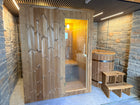
Traditional saunas deliver an authentic, high-heat ritual that many guests expect, and they carry the deepest long-term evidence base for heat. Infrared offers faster readiness, lower running costs and a gentler experience that widens your potential audience. Some venues run both; where a single choice has to be made for a premium facility, our view – and our range – backs traditional and barrel formats. Compare them across the Helix Heat range, and read the deeper science on our traditional sauna and infrared sauna guides.
Frequently asked questions
How hot does a commercial infrared sauna get?
Infrared cabins typically run at around 45°C to 65°C, lower than a traditional sauna's 80°C-plus, because the infrared warms the body directly rather than heating the air.
How long does an infrared sauna take to warm up?
Most commercial infrared cabins are ready within roughly 10 to 15 minutes, compared with 30 minutes or more for a traditional heater – though traditional heat rewards the wait with the classic enveloping experience.
Are infrared saunas cheaper to run?
Generally yes. Lower operating temperatures and faster warm-up mean infrared cabins tend to draw less energy than a traditional sauna left running, though actual costs depend on usage, tariff and cabin size.
Does Helix supply infrared saunas?
No – Helix supplies traditional and barrel saunas rather than infrared cabins. We publish this guide as impartial education; when it comes to specifying kit, we point operators to traditional heat, where the evidence base is strongest.
How many people should our cabin seat?
Match capacity to footfall. Clinics and boutiques often suit smaller cabins, while gyms, hotels and spas typically benefit from 4-person or barrel formats such as the Eldur Barrel Sauna.
Choosing heat for your facility
Infrared is efficient and accessible, and this guide should help you weigh it fairly. When you are ready to specify, Helix supplies traditional and barrel saunas built for commercial duty. Explore the Eldur Barrel Sauna, compare formats across the Helix Heat range, and contact us for a tailored quote.