
How to Open a Recovery Studio: Equipment & Cost Checklist (2026)
Planning a recovery studio in 2026? Our equipment and cost checklist covers cryotherapy, ice baths, saunas and red light, with indicative GBP budgets.
To open a recovery studio in 2026, expect to budget roughly £60,000 to £250,000 depending on scale. The core build is a curated stack of recovery modalities – cold (ice baths or cryotherapy), heat (sauna), light (red-light or PEMF) and space – wrapped in sensible fit-out, branding and a booking system. Start lean, prove demand, then expand.
What does a recovery studio actually need?

A recovery studio is a destination built around feeling better. Members come for the experience as much as the equipment, so the most successful sites pair credible kit with a calm, considered environment. Before you sign a lease, map your concept to three questions: who is your member, what outcome are they chasing, and how many sessions per day must each station deliver to pay its way.
The modality mix usually falls into four pillars. Explore the full range across our equipment collections to see how each pillar fits together.
- Cold therapy – ice baths and cryotherapy, the headline draw for most studios.
- Heat therapy – infrared cabins, traditional and barrel saunas.
- Light and field therapy – red-light beds and PEMF systems.
- Air and pressure – hyperbaric oxygen and compression, for premium positioning.
How much does it cost to open a recovery studio?
Costs vary widely with location, finish and how much equipment you buy outright versus finance. The table below gives indicative, typical ranges for a UK studio fit-out. Treat these as planning figures only; final pricing depends on specification and site conditions.
| Line item | Indicative range (GBP) | Notes |
|---|---|---|
| Cold therapy station | £4,000 – £60,000 | Plunge ice bath at the lower end; electric cryo chamber at the top |
| Sauna / heat | £6,000 – £25,000 | Barrel or infrared cabin |
| Red-light / PEMF | £8,000 – £30,000 | Commercial-grade bed or panel system |
| Hyperbaric (optional) | £15,000 – £45,000 | Soft-shell clinic chamber |
| Fit-out & plumbing | £20,000 – £80,000 | Drainage, ventilation, flooring, lighting |
| Branding, booking & software | £3,000 – £12,000 | Membership platform, signage, launch marketing |
Can I start small?
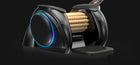
Yes. Many operators open with a tight cold-and-heat core, then layer in light and pressure once revenue is proven. A compact launch built around a quality plunge bath such as the Helix Oval ice bath and a barrel sauna can open the doors for well under six figures, keeping early risk low while you build a membership base.
Which cold therapy should anchor the studio?
Cold is the magnet. Cold exposure is associated with feelings of recovery, alertness and post-exercise comfort, and individual results vary. Your choice between ice baths and cryotherapy shapes both capital cost and throughput.
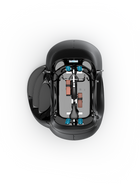
Ice baths are simple, robust and low-cost per station, delivering water typically chilled to 3°C – 10°C. Browse the cold range in our cold therapy collection to compare plunge formats. For higher throughput and a premium price point, an electric cryotherapy chamber such as the Cryo Hybrid reaches far lower air temperatures for short, dry sessions – ideal where queue time and member experience matter.
How many cold sessions per day?
A well-run ice bath might turn over 15–25 sessions daily; a cryo chamber, with sessions of around three minutes, can handle considerably more during peak hours. Model your station throughput against opening hours to size revenue realistically.
What about heat and light?
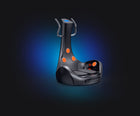
Heat balances the cold and lengthens dwell time, encouraging the contrast routines members love. Infrared and traditional saunas are associated with relaxation and post-exercise comfort. Light therapy rounds out the offer: red-light and PEMF systems are popular add-ons associated with recovery and wellbeing routines. Explore options in our light therapy collection and heat collection to build a balanced floor plan.
Remember that this equipment is positioned as wellness equipment, not medical devices. Keep member-facing language at the modality level and avoid treatment or cure claims.
FAQ
How long does it take to open a recovery studio?
Typically three to six months from lease to launch, allowing for fit-out, equipment lead times and local approvals. Cold and heat installations need drainage and ventilation planning, so engage your contractor early.
What floor area do I need?
A focused studio can work in 60–120 m²; multi-modality sites with changing rooms and a lounge often want 150 m² or more. Allow generous circulation around wet stations.
Do I need planning permission or licences?
Requirements vary by premises and locality. You will generally need to address building regulations, electrical and plumbing sign-off, insurance and health-and-safety risk assessments. Always confirm with your local authority.
Should I buy or finance equipment?
Many operators finance larger items to protect cash flow during ramp-up, buying smaller stations outright. Model both against your projected membership to find the blend that suits your runway.
Is recovery equipment classed as medical?
The equipment covered here is wellness equipment, not a medical device. Benefits are framed at the modality level and individual results vary; avoid medical claims in your marketing.
Ready to plan your studio? Explore our full range of commercial recovery equipment across the Helix collections and request a tailored quote. Our team can help you specify a modality mix, throughput model and fit-out plan matched to your space and ambitions.