
Recovery Equipment Trends for 2026: Where Operators Are Investing
The recovery equipment trends shaping 2026 — where gyms, clinics and spas are investing, and indicative GBP budgets.
In 2026, operators are investing in recovery as a destination amenity rather than a bolt-on, with contrast therapy – pairing cold and heat – emerging as the dominant draw. Multi-modality suites, premium hyperbaric and light experiences, and space-efficient hybrid units lead the spend. Across gyms, clinics and spas the through-line is the same: recovery is now a revenue centre, and the modalities themselves remain wellness experiences where individual results vary.
What is driving recovery investment in 2026?

Three forces are converging. Member expectations have risen – people increasingly choose and stay with a club for its recovery offer. Operators have learned that recovery zones support premium pricing and add-on revenue. And equipment has matured, with more reliable, space-efficient and self-service-friendly units reaching the market. The net effect is that recovery has moved from differentiator to expectation in many segments.
It is worth restating the positioning: these modalities – cold, heat, light, compression and oxygen – are wellness experiences associated with relaxation and perceived recovery, not medical treatments. Helix equipment is sold as wellness apparatus, individual results vary, and marketing should stay at the wellness level.
Which modalities are operators prioritising?
Cold leads. Contrast therapy – alternating cold immersion and heat – is the standout 2026 trend, because it combines the two highest-engagement modalities into a single member journey. Where floor space is tight, hybrid cold-and-heat units such as the Cryo Hybrid let operators deliver contrast from one footprint, which is a major reason they feature heavily in this year's fit-outs.
Beyond contrast, three categories are growing fastest:
- Premium light & oxygen – red-light couches and hyperbaric chambers as statement, high-margin experiences.
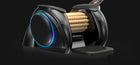
- Passive recovery – roller massage, compression and PEMF beds filling dwell time and broadening appeal.
- Self-service formats – timer-controlled, low-supervision units that improve throughput and labour economics.
Browse the breadth of options across our collections, with the cold range in Helix Cold and broader kit in Helix Recovery.
Why is contrast therapy the headline trend?
Contrast keeps members in the suite longer and gives them a structured journey – warm, cold, repeat, rest. That dwell time underpins premium pricing and improves perceived value. It also concentrates two anchor modalities into one experience, which is efficient for both floor space and marketing.
How much are operators budgeting?
Spend spans a wide range depending on ambition and footprint. The indicative GBP figures below cover equipment only and exclude building works, drainage and ventilation.
| Investment level | Typical 2026 focus | Indicative equipment budget |
| Targeted upgrade | Add cold anchor or hybrid unit | £10,000 – £30,000 |
| Full contrast suite | Cold + heat + passive recovery | £35,000 – £75,000 |
| Flagship destination | Contrast + hyperbaric + light + PEMF | £80,000 – £160,000+ |
Many operators stage the investment – leading with a cold or hybrid anchor, then layering premium and passive modalities as utilisation data justifies it. This phased approach is itself a 2026 trend, driven by a sharper focus on payback and floor-space efficiency.
What about running costs and labour?
A clear theme this year is operational efficiency. Operators increasingly weigh energy use, water and chilling-plant maintenance, and staff supervision when they specify. Self-service, timer-controlled formats and hybrid units that reduce equipment count are winning precisely because they keep ongoing costs and labour in check.
What should operators do now?
Audit your current offer against member expectations, identify the single highest-impact addition – usually a cold or contrast anchor – and reserve drainage, power and floor loading for future stations even if you phase the build. Treat recovery as a profit centre with its own pricing and bundling strategy, and keep all marketing at the wellness-and-relaxation level.
Recovery Trends 2026 FAQs
What is the biggest recovery equipment trend in 2026?
Contrast therapy – pairing cold immersion and heat – is the headline trend, often delivered via space-efficient hybrid units. It concentrates the two highest-engagement modalities into one member journey and supports premium pricing.
How much should operators budget for a recovery upgrade?
Indicatively, a targeted upgrade runs £10,000–£30,000, a full contrast suite £35,000–£75,000, and a flagship destination £80,000–£160,000+ for equipment, before building works. Many operators phase the spend.
Are these modalities medical treatments?
No. Recovery modalities are wellness experiences associated with relaxation and perceived recovery, and Helix equipment is sold as wellness apparatus rather than as medical devices. Individual results vary.
Why are hybrid units so popular this year?
Hybrid cold-and-heat units deliver contrast therapy from a single footprint, saving floor space, reducing equipment count and lowering running costs – all priorities as operators sharpen their focus on payback and efficiency.
Should I invest all at once or phase it?
Phasing is increasingly common: lead with a cold or hybrid anchor, prove utilisation, then add premium and passive modalities. Reserve drainage, power and floor loading for the full final layout from the outset.
Planning your 2026 recovery investment? Explore the full Helix range across our collections or talk to our team about a phased, payback-focused fit-out for your site.