Red Light Therapy for Athletic Recovery: A Practical Guide
A practical guide to red light therapy for athletic recovery — how operators deploy it, what to specify and indicative costs.
Red light therapy uses red and near-infrared wavelengths delivered to the skin during a short, relaxing session, and athletes and operators associate it with perceived recovery and relaxation between training loads. As a low-supervision, repeatable modality, it suits gyms, clinics and elite-sport settings well. It is a wellness experience, not a medical treatment, and individual results vary – but its low running cost and broad appeal make it one of the easiest recovery additions to deploy.
What is red light therapy, practically speaking?
Red light therapy – sometimes called photobiomodulation – delivers visible red and near-infrared light to the body across a session typically lasting 10–20 minutes. For an operator, the appeal is operational simplicity: the guest reclines or stands, the session runs on a timer, and supervision is minimal. There is no water, no chilling plant and no heavy infrastructure, which makes it one of the most flexible modalities to site.
Keep the language wellness-level. Red light is associated with relaxation and a sense of recovery; Helix light equipment is sold as wellness apparatus rather than as a medical device, and you should avoid medical, treatment or cure claims and always note that individual results vary.
Why do athletes and operators use it for recovery?
In a training environment, recovery modalities earn their place by being low-friction and repeatable. Red light fits that brief: sessions are short enough to slot between training blocks, the experience is calm and pleasant, and there is no cooldown or drying-off overhead. For multi-athlete settings, throughput is high because turnaround is fast.
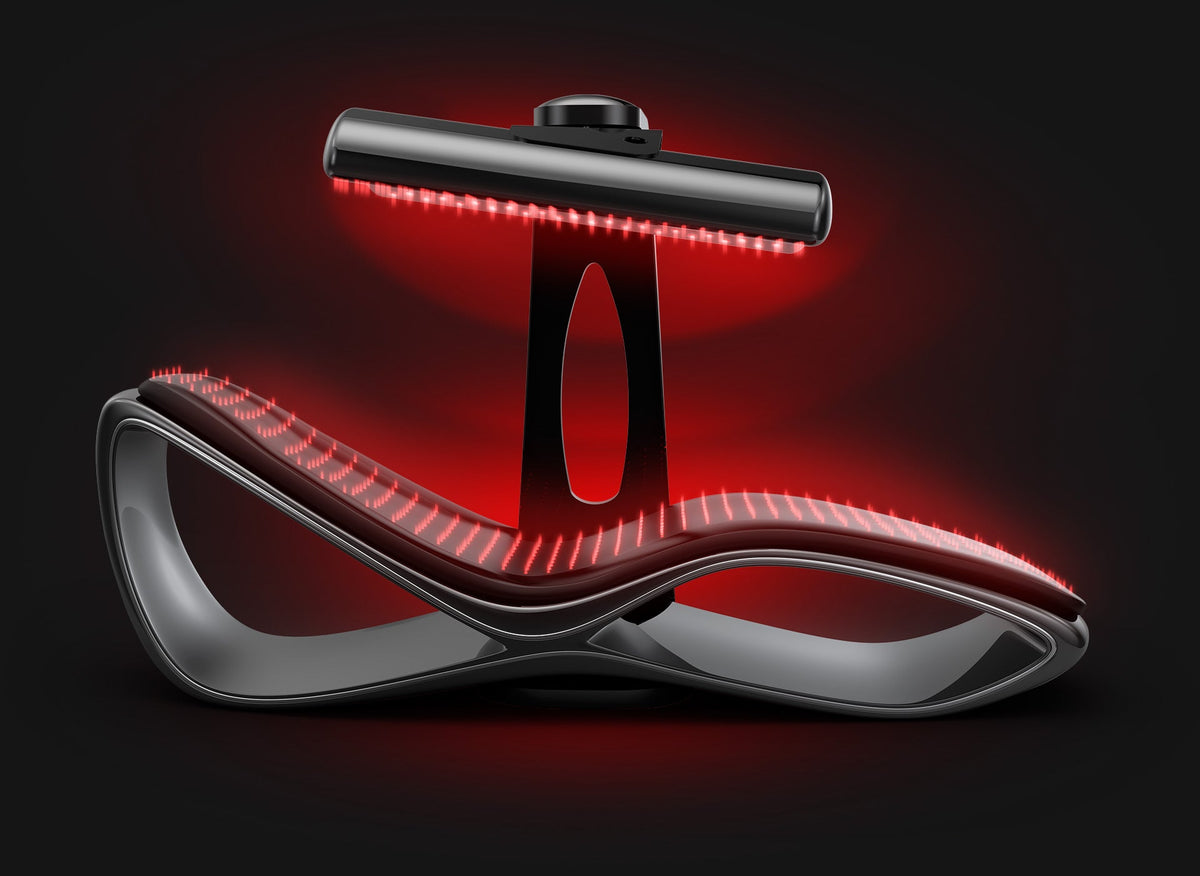
Operators typically choose between a full-body couch-style unit for an immersive session and panel formats for targeted use. The Red Couch 360 wraps the body for an enveloping full-body session, while the Red Couch Oxy pairs light with an oxygen experience for a premium offer. Explore the full range in the Helix Light collection.
How long and how often should sessions run?
Most operators programme sessions of 10–20 minutes, scheduled around training rather than immediately mid-session. Frequency is a matter of preference and demand; many athletes use it several times a week. Because the modality is gentle and low-supervision, it lends itself to self-service booking once a member is inducted.
What should operators specify?
Specification comes down to format, coverage and throughput. A full-body couch maximises immersion and perceived value; panels offer flexibility and a lower entry price. Consider the surface area of light delivery, the comfort of the recline or stand, session-timer controls suitable for self-service, and how the unit fits your room and power supply. For premium positioning, a combined light-and-oxygen unit differentiates against simpler panel offerings.
| Format | Best for | Indicative cost |
| Wall / freestanding panel | Targeted use, tight budgets | £1,500 – £6,000 |
| Full-body couch | Immersive full-body recovery | £8,000 – £25,000 |
| Light + oxygen combination | Premium, differentiated offer | £15,000 – £35,000 |
These indicative GBP figures cover equipment only and vary with specification and configuration. A panel is a sensible low-risk entry; a full-body couch raises perceived value and supports stronger session pricing.
How do operators price red light sessions?
Single sessions commonly sit at £10–£30, with multi-session packs and membership add-ons driving repeat use. Because running costs are low, contribution margin is healthy even at modest prices. Bundling red light with cold or hyperbaric raises average spend and smooths utilisation across the recovery menu.
How does it fit a wider recovery menu?
Red light pairs naturally with higher-intensity modalities. A common journey is cold immersion or sauna first, then a calm red-light session to finish – the contrast keeps members engaged and lengthens dwell time. Because it needs no plumbing and little supervision, it is also the easiest modality to add to an existing gym floor or studio without a full wet-zone build.
Red Light Therapy FAQs
Is red light therapy a medical treatment?
No. Helix red light equipment is sold as wellness apparatus associated with relaxation and perceived recovery, not as a medical device, and makes no clinical claims. Individual results vary and contraindication guidance should always be displayed.
How long is a typical session?
Most operators run sessions of 10–20 minutes on a timer. The short, low-supervision format makes red light easy to schedule around training and well suited to self-service booking.
Should I choose a panel or a full-body couch?
Panels are flexible and lower-cost; full-body couches deliver an immersive session and support stronger pricing. Many operators start with a panel and upgrade to a couch as demand and revenue prove out.
What does red light therapy cost to run?
Running costs are low – it is essentially electricity and minimal staff time – which is why contribution margin stays healthy even at £10–£30 per session. Equipment outlay ranges from a few thousand pounds for panels to £25,000+ for premium couches.
Can I combine red light with other modalities?
Yes. Red light pairs especially well after cold or heat as a calming finish, and light-and-oxygen combination units create a differentiated premium offer. Bundling lifts average spend and improves utilisation.
Adding light-based recovery to your offer? Explore the Red Couch 360, the Red Couch Oxy and the wider Helix Light range, or talk to our team about the right format for your setting.