Red Light Therapy Beds for Clinics & Spas: Modalities, Benefits & ROI
Red light therapy beds for clinics and spas: 660nm/850nm, NIR, infrared, PEMF and oxygen modalities, how to choose, and ROI explained.
Red light therapy beds deliver controlled wavelengths of light to the whole body, most commonly red light at 660nm and near-infrared (NIR) at 850nm, and are used in clinics and spas as a non-invasive wellness modality. Multi-modality beds combine light with infrared heat, PEMF and oxygen for a layered experience. For operators, they offer fast, hands-off sessions, strong client appeal and an attractive return on investment.
What is a red light therapy bed and how does it work?

A red light therapy bed surrounds the body with arrays of LEDs that emit specific wavelengths of light. The principle, known broadly as photobiomodulation, is that certain wavelengths are absorbed by the body and are associated in research with cellular and recovery-related processes. Sessions are short, the client simply lies in the bed, and no practitioner contact is required, which makes the modality efficient for a busy clinic or spa floor.
The defining feature of a modern commercial bed is its choice of wavelengths and whether it layers additional modalities on top of light. That is what separates a basic panel from a premium multi-modality platform.
What are the main modalities, and what does each do?
Understanding the modalities is essential to choosing the right bed and explaining it to clients. Benefits are framed at the modality level; individual results vary and no specific outcome is guaranteed.
Red light (660nm)
Red light at around 660nm is absorbed more superficially and is commonly associated with skin appearance and surface-level wellbeing applications. It is the wavelength clients most associate with "red light therapy".
Near-infrared (850nm)
NIR at around 850nm penetrates more deeply and is associated in research with recovery and muscular wellbeing. Many beds combine 660nm and 850nm to address both surface and deeper exposure in a single session.
Infrared heat
Infrared heat warms the body and is associated with relaxation and a sauna-like experience. It complements light by adding a sensory, warming dimension to the session.
PEMF (pulsed electromagnetic field)
PEMF applies low-level pulsed electromagnetic fields and is associated with recovery and relaxation. It is a hands-off modality that layers naturally beneath a light session, as seen in the Helix PEMF bed.
Oxygen
Some premium beds add an oxygen feature to enhance the in-session experience and perceived freshness, positioned as a wellness enhancement rather than a medical intervention.
What does multi-modality actually mean?
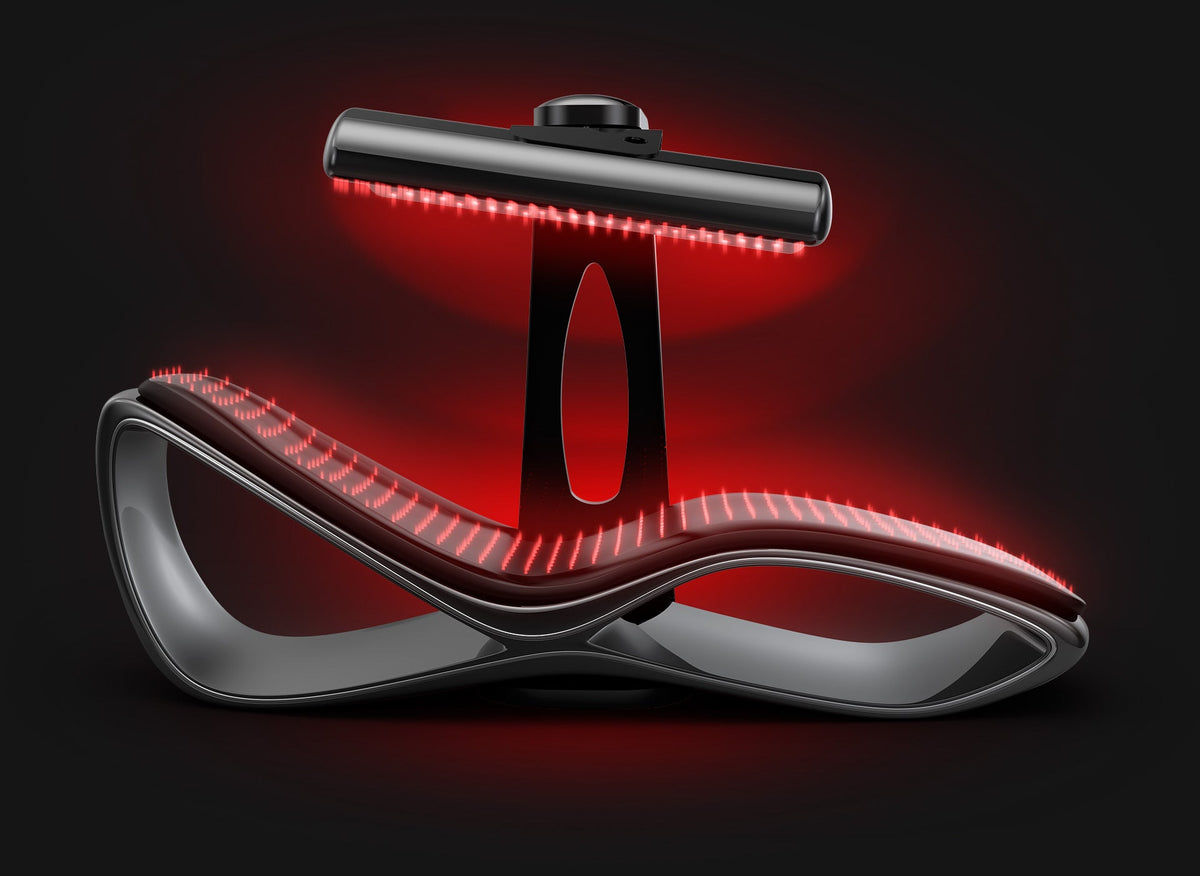
Multi-modality means a single bed delivers more than one of the above in one session, for example red and near-infrared light combined with infrared heat and PEMF. The commercial advantage is significant: one footprint, one booking slot and one premium price point can deliver a richer, more differentiated experience than a single-function panel. The Red Couch 360 wraps the body in light, while the Red Couch Oxy adds an oxygen experience for a higher-tier offering.
| Modality | Typical wavelength / mechanism | Associated with (modality-level) | Session role |
|---|---|---|---|
| Red light | ~660nm | Skin appearance, surface wellbeing | Core light exposure |
| Near-infrared | ~850nm | Recovery, deeper exposure | Core light exposure |
| Infrared heat | Radiant heat | Relaxation, warmth | Sensory enhancement |
| PEMF | Pulsed electromagnetic field | Recovery, relaxation | Layered, hands-off |
| Oxygen | Oxygen enrichment | Freshness, experience | Premium upgrade |
Who uses red light therapy beds, and for what?
Clinics, spas, gyms, recovery studios and hotels all deploy these beds. Typical use cases are positioned around general wellbeing: recovery support after training, relaxation, skin-appearance wellness and an enhanced spa experience. Because sessions are short and require no hands-on practitioner time, beds slot easily into a treatment menu alongside other recovery modalities. They are wellness equipment, not medical devices, and should not be marketed as treating, curing or diagnosing any condition.
How do you choose the right bed for your facility?
Match the specification to your clientele and treatment menu, and weigh the following factors.
Wavelengths and irradiance
Confirm the bed delivers the wavelengths you want (typically 660nm and 850nm) and offers meaningful, well-distributed light output across the body.
Modalities included
Decide whether single-function light is enough or whether PEMF, infrared and oxygen will justify a higher price point and richer menu in your market.
Coverage and comfort
Full-body, wrap-around coverage and a comfortable lying position improve the experience and support premium pricing.
Throughput and footprint
Short sessions mean high throughput; ensure the bed fits your space and your booking rhythm.
Build, support and warranty
LED longevity, build quality and UK servicing protect uptime and long-term value. Compare options across the Helix light therapy collection and the wider Helix recovery range.
What is the ROI of a red light therapy bed?
The commercial case rests on high utilisation of short, hands-off sessions. The figures below are indicative; your numbers depend on price, demand and location.
- Equipment: a premium multi-modality bed at, for illustration, ~£20,000–£40,000.
- Session price: ~£25–£45 per session, or bundled into memberships and packages.
- Throughput: short sessions allow many bookings per day with minimal staff time.
- Running cost: primarily modest electricity, as LEDs are efficient.
With strong utilisation, many operators target a payback period in the region of 12–24 months, after which the bed becomes a high-margin line because each session consumes little more than electricity and a quick clean-down. Lower utilisation extends the timeline; the key lever is keeping the bed busy.
FAQ
What wavelengths do red light therapy beds use?
The most common are red light at around 660nm and near-infrared at around 850nm. Many commercial beds combine both to provide surface and deeper light exposure in one session.
How long is a red light therapy session?
Sessions are typically short, often around 10–20 minutes, and require no hands-on practitioner time, which supports high throughput and efficient scheduling for clinics and spas.
Are red light therapy beds safe?
Used as directed with appropriate eye protection and client screening, red light therapy is a non-invasive wellness modality. It is not a medical device and should not be presented as treating or curing conditions; advise clients to seek medical advice where relevant.
What is the difference between red light and near-infrared?
Red light at ~660nm is absorbed more superficially and is associated with skin and surface wellbeing, while near-infrared at ~850nm penetrates more deeply and is associated with recovery. Combining both broadens the exposure profile.
Is a multi-modality bed worth it for a spa?
For many spas, yes: combining light with PEMF, infrared and oxygen creates a differentiated, premium experience from a single footprint, often justifying a higher price point and improving the return on a single equipment investment.
Ready to add a premium light modality to your menu? Explore the Red Couch 360, the Red Couch Oxy and the PEMF bed within the Helix light therapy collection, and contact the Helix team for a tailored quote and an ROI projection built around your facility.