Red Light vs Infrared Sauna: What's the Difference?
Red light vs infrared sauna explained: how each works, what they're associated with, indicative costs and which suits your facility.
The key difference is the wavelength and the goal. Red-light therapy uses specific visible-red and near-infrared wavelengths delivered close to the skin, associated with skin and recovery applications, and does not heat the room. An infrared sauna uses far-infrared heat to warm the body and raise core temperature, associated with relaxation and a sweat-led wellness experience. One is a light treatment; the other is a heat experience. Helix supplies commercial red-light platforms and traditional and barrel saunas; infrared cabins are covered here for comparison but are not part of our range.
How does red-light therapy work?

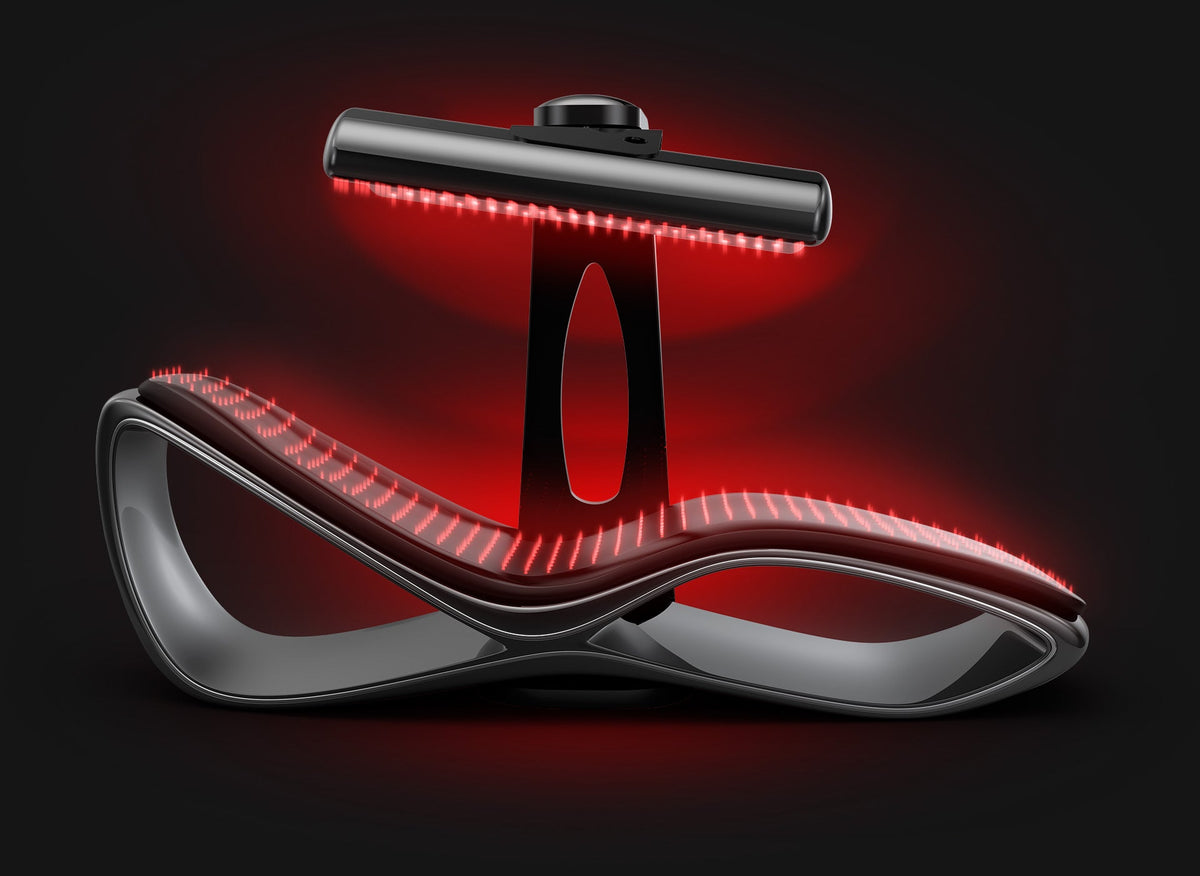
Red-light therapy (sometimes called photobiomodulation) delivers concentrated red and near-infrared light onto the skin and tissues. It does not meaningfully heat the surrounding air – the experience is comfortable and cool. In commercial settings it is delivered via full-body beds or panels, with sessions typically lasting 10–20 minutes. It is associated at the modality level with skin appearance and recovery, and is popular as a low-supervision, bookable add-on. Explore commercial light platforms in the Helix Light collection, including a full-body option such as the Red Couch 360.
How does an infrared sauna work?
An infrared sauna uses far-infrared emitters to warm the body directly rather than heating the air to the high temperatures of a traditional sauna. Cabins typically run around 45–65°C – gentler than a traditional sauna’s 70–100°C – producing a sustained, sweat-led session associated with relaxation and a warming wellness ritual. Sessions usually last 20–40 minutes. Helix supplies traditional and barrel saunas rather than infrared cabins; for a heat pairing with red light, browse the Helix Heat collection, including the traditional-style Eldur Barrel Sauna.
Red light vs infrared sauna: how do they compare?
The table below uses indicative, typical ranges only; actual figures vary by model, size and installation.
| Feature | Red-light therapy | Infrared sauna |
|---|---|---|
| Primary mechanism | Light wavelengths on skin | Infrared heat warming the body |
| Heats the room? | No | Yes (gentle) |
| Typical temperature | Ambient (comfortable) | 45 – 65°C |
| Session length | 10 – 20 mins | 20 – 40 mins |
| Associated with | Skin appearance, recovery | Relaxation, sweat-led wellness |
| Indicative cost (GBP) | £15,000 – £45,000 | £5,000 – £20,000 |
Which should your facility choose?
They serve different needs and often complement one another. Choose red-light if you want a cool, quick, bookable session associated with skin and recovery, ideal for studios and clinics targeting a premium, appointment-led model – a category Helix supplies. Pair it with a traditional or barrel sauna if you want a warming, social wellness experience that works beautifully with cold immersion for contrast therapy. Neither is a medical device, and benefits are framed at the modality level – individual results vary.
Can you offer both together?
Yes – and there is a strong commercial case for it. A red-light bed gives you a low-supervision, high-margin bookable treatment, while a traditional or barrel sauna anchors a relaxation and contrast offering. Together they broaden your service menu, appeal to different member motivations and increase the number of reasons a client visits. Plan power, ventilation and room layout for each, since their requirements differ considerably.
FAQ
Is red-light therapy the same as an infrared sauna?
No. Red-light therapy delivers specific light wavelengths to the skin without heating the room, while an infrared sauna uses heat to warm the body. They are different experiences with different goals.
Does red-light therapy make you sweat?
Generally no. Red-light sessions are comfortable and cool. Sweating is associated with the heat of a sauna, not with light therapy.
Does Helix supply infrared saunas?
No – Helix supplies red-light platforms and traditional and barrel saunas. Infrared cabins appear in this comparison for context only.
How hot is an infrared sauna compared with a traditional one?
Infrared cabins typically run around 45–65°C, gentler than a traditional sauna at roughly 70–100°C, because infrared warms the body directly rather than heating the air.
Which is cheaper to run?
Running costs vary by model and usage, but red-light sessions are short and infrared saunas operate at lower temperatures than traditional saunas, which can help manage energy use. Confirm specifics with the unit specification.
Not sure which fits your space? Explore the Helix Light collection or browse the Helix Heat collection, then request a quote and our team will help you build the right combination for your facility.