Roller Massage & Vibration Recovery: Adding Passive Modalities to Your Menu
How operators add roller massage and vibration recovery — passive modalities that fill dwell time, with indicative GBP costs.
Roller massage and vibration recovery are passive, low-supervision modalities that members associate with relaxation and a sense of recovery. For operators they are among the easiest additions to a recovery menu: compact, self-service-friendly and quick to deliver a session. They fill the dwell time between higher-intensity modalities, broaden appeal and improve utilisation – and as wellness equipment, not medical devices, they carry individual-results-vary positioning.
What are passive recovery modalities?

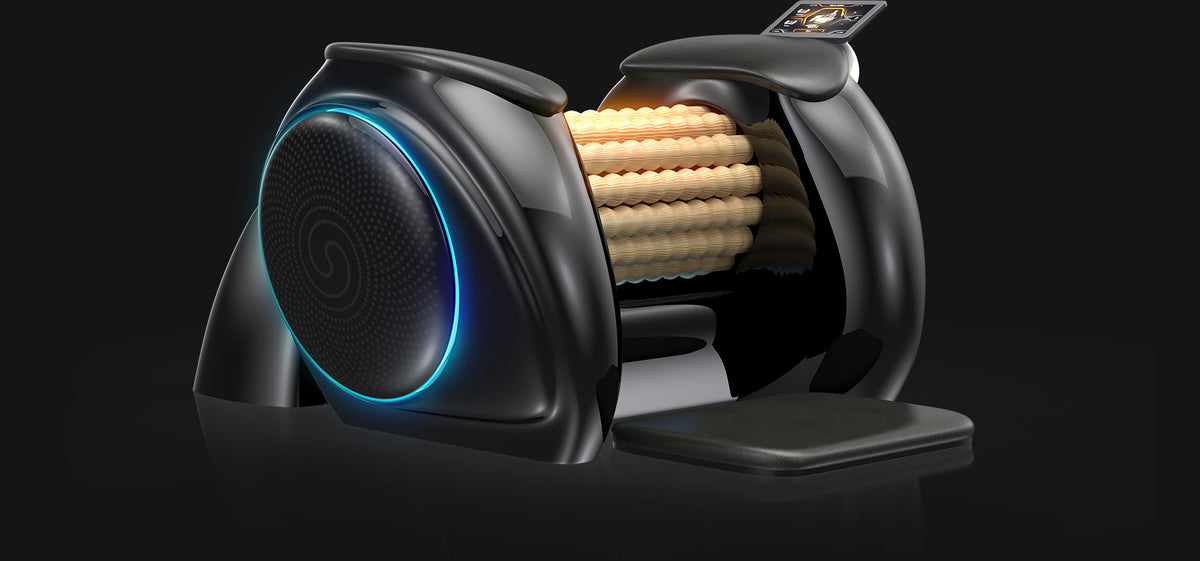
Passive modalities deliver their effect with little effort from the user: the equipment does the work while the member relaxes. Roller massage units run motorised rollers along the body, vibration platforms transmit gentle mechanical oscillation, and PEMF beds deliver pulsed electromagnetic fields during a calm recline. All three are short, repeatable and require minimal supervision, which is exactly why operators value them.
Keep the framing wellness-level. These experiences are associated with relaxation and perceived recovery rather than any clinical outcome; Helix equipment is sold as wellness apparatus, not as a medical device, and individual results vary.
Why add them to your menu?
Passive modalities solve a specific operational problem: what members do between contrast rounds or while a popular station is occupied. A roller or vibration session fills that gap with a pleasant, productive experience, lengthening dwell time and raising perceived value. They also broaden appeal to members who find cold immersion daunting, widening the addressable audience for your recovery offer.
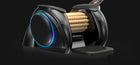
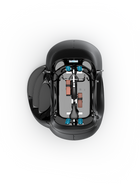
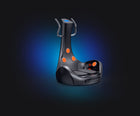
Format choices include motorised roller couches such as the RollShape, vibration platforms like the VibraShape, and pulsed-field beds such as the PEMF Bed for a calm, fully passive recline. Each suits a slightly different member and price point; many operators run two of the three. Explore the full set in the Helix Recovery collection.
How long is a typical session?
Most passive sessions run 10–20 minutes on a timer, which makes them ideal self-service stations. Because turnaround is fast and supervision light, a single unit can serve a high number of members per day, supporting strong utilisation economics.
What should operators specify?
Specify for throughput, comfort and self-service. Look for intuitive timer controls a member can operate unassisted, a comfortable and easily wiped surface, a compact footprint that fits the dry zone, and durable construction for commercial cycles. Roller couches deliver a more immersive, premium-feeling session; vibration platforms are compact and versatile; PEMF beds offer the calmest, most passive experience. Match the mix to your space and the member you want to attract.
| Modality | Member experience | Indicative cost |
| Vibration platform | Compact, versatile, quick | £1,500 – £5,000 |
| Roller massage couch | Immersive full-body roll | £4,000 – £12,000 |
| PEMF recovery bed | Calm, fully passive recline | £6,000 – £18,000 |
These indicative GBP figures cover equipment only and vary with specification. Their relatively modest outlay and low running costs make passive modalities one of the quickest-payback additions to a recovery menu.
How do operators price passive sessions?
Single sessions commonly sit at £5–£20, with most value captured through membership add-ons and bundles rather than standalone walk-ins. Because they pair so naturally with cold and heat, passive modalities are best sold as part of a recovery package that raises average spend across the whole menu.
How do they fit alongside other modalities?
Passive recovery is the connective tissue of a well-designed suite. A member might warm in a sauna, take a cold plunge, then settle onto a roller couch or PEMF bed to finish – a structured journey that keeps them engaged and extends their stay. Because these units need no plumbing and little supervision, they are also the simplest way to add depth to an existing floor without a wet-zone build.
Passive Recovery FAQs
Are roller massage and vibration recovery medical treatments?
No. They are wellness experiences associated with relaxation and perceived recovery, and Helix equipment is sold as wellness apparatus rather than as a medical device. Individual results vary and contraindication guidance should be displayed.
How long is a passive recovery session?
Typically 10–20 minutes on a timer. The short, low-supervision format makes these stations well suited to self-service booking and high daily throughput.
Which passive modality should I start with?
It depends on space and budget. Vibration platforms are the most compact and affordable entry; roller couches deliver a more immersive premium session; PEMF beds offer the calmest fully passive experience. Many operators run two of the three.
What do passive modalities cost to run?
Running costs are low – minimal energy and light supervision – which keeps margins healthy even at £5–£20 per session. Equipment outlay ranges from around £1,500 for vibration platforms to £18,000 for premium PEMF beds.
Can I bundle passive modalities with cold and heat?
Yes, and it is the recommended approach. Passive recovery fills dwell time between contrast rounds and finishes the journey, so bundling it into a recovery package raises average spend and improves utilisation across your menu.
Ready to deepen your recovery menu? Explore the RollShape, VibraShape and PEMF Bed in the Helix Recovery collection, or talk to our team about the right passive mix for your space.