From Dead Space to Profit Centre: Turning a Tired Spa Into a Recovery Floor
A tired spa is often the most expensive room in a gym. Converted well, it becomes the most profitable. How operators are turning dead wet-spa space into a recovery floor.
A tired spa is often the most expensive room in a gym. Converted well, it becomes the most profitable. Here is how operators are turning dead wet-spa space into a recovery floor that actually pays.
Audit the dead space
Start with an honest look at what you have. Which assets are used, and which are just heated and cleaned out of habit? A jacuzzi running all day for a handful of users, a steam room nobody books, a plunge pool that doubles as storage: these are not amenities, they are line items bleeding money. Rank them by running cost against actual usage, and the conversion candidates pick themselves.
Decommission the money pits first
The fastest win is to retire the highest-cost, lowest-use wet asset before you add anything. A heated pool or spa carries energy, water, chemical and maintenance costs whether one person uses it or fifty. Switching it off stops the bleeding immediately and frees both the budget and the floor for kit that earns.
The conversion sequence
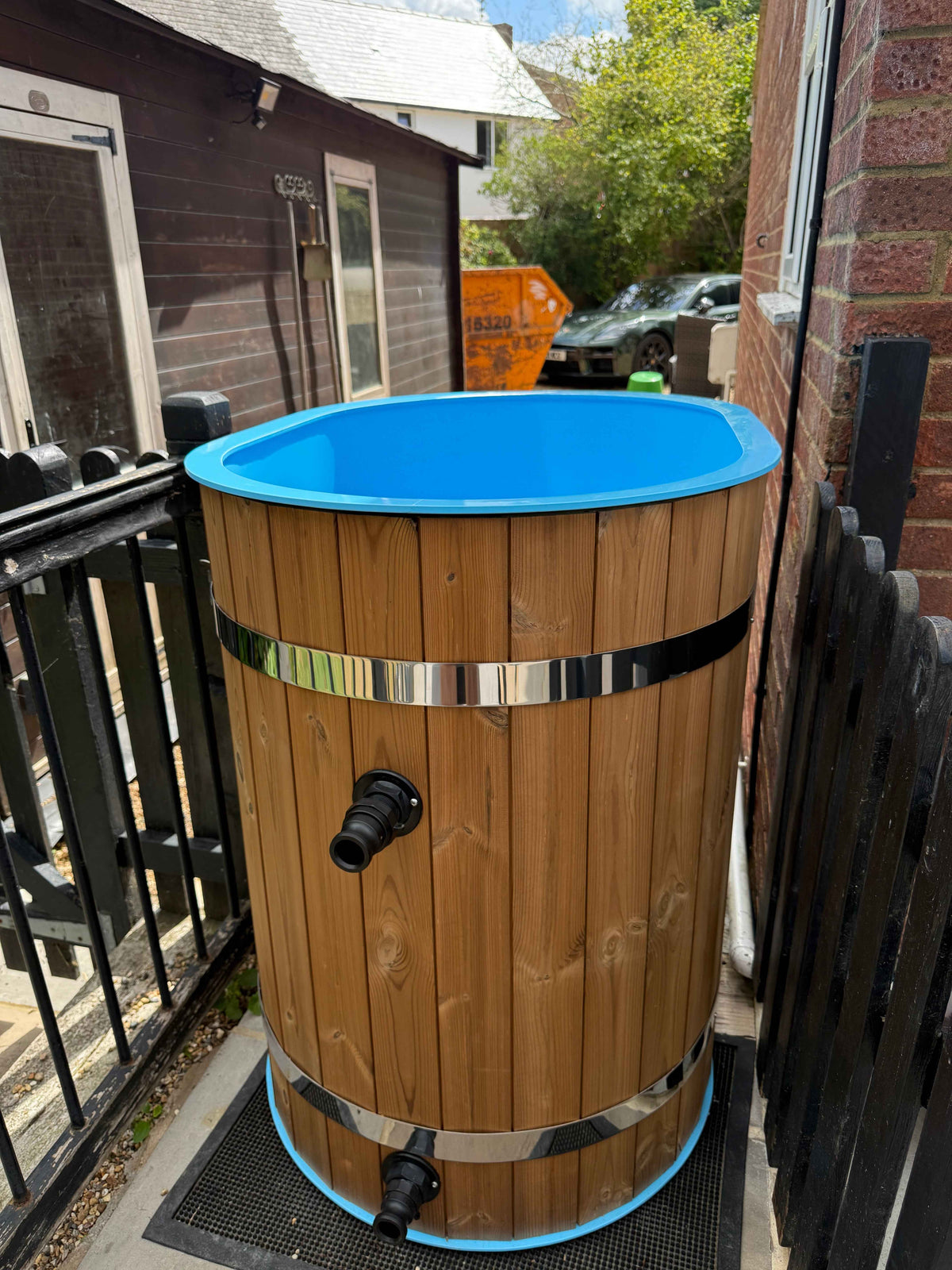
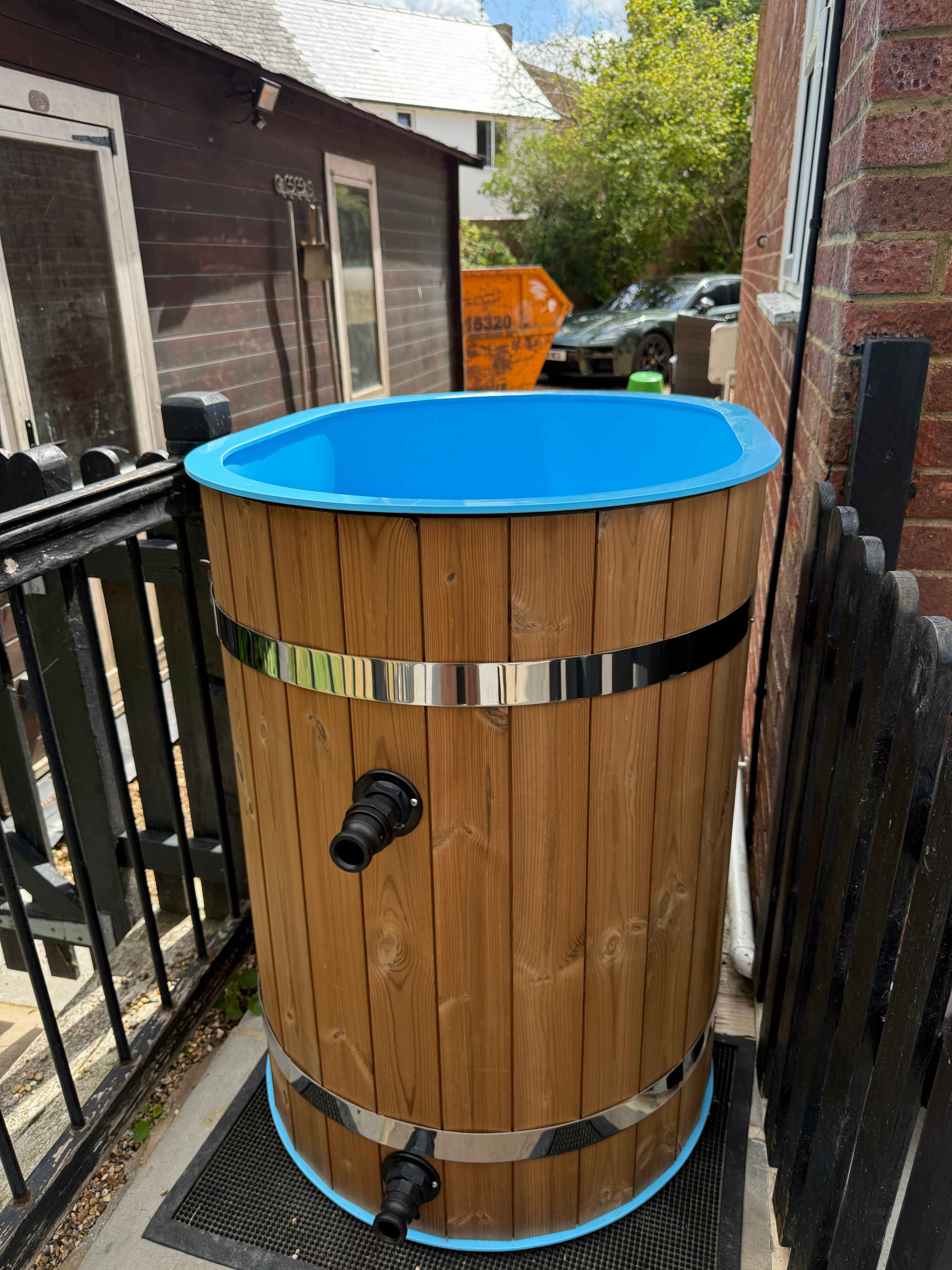
Convert in a sequence that de-risks the spend. Drop in a cold plunge and a compact sauna first, because contrast is the ritual members already understand and will build a habit around. Prove the usage over a few weeks, then layer in a red light station and a compression or PEMF bed. Because the new kit is mostly dry and modular, you avoid the disruption and cost of a full wet-room refit.

Design for flow and dwell
A recovery floor lives or dies on how it feels. Sequence the space so members move naturally from hot to cold to rest. Give them comfortable seating, calm lighting and somewhere to linger, because dwell time is what turns a quick session into a routine and a routine into retention. The goal is a space people choose to stay in, not pass through.
Audit usage against running cost. Decommission the priciest wet asset first. Install plunge and sauna, prove usage, then expand. Design for hot-cold-rest flow. Add seating and calm lighting for dwell. Price across sessions, tiers and retention. Modular kit keeps the refit cheap and reversible.
Pricing the new space
Do not give the floor away. Fold it into a premium membership tier, sell sessions and day passes to non-members, or run a hybrid. Whichever model you choose, price to fill the quiet hours, because a recovery floor only turns profitable when it is busy across the day, not just at peak.
The spa cost you money to keep warm. The recovery floor makes money every hour it is open.
The payback
The economics of a conversion are unusually kind, because you are removing a cost and adding revenue in the same move. The retired wet asset stops draining the utility bill, and the recovery floor starts earning across three lines: direct sessions, premium tiers and retention. That double effect is why conversions often pay back faster than a brand-new build.
The bottom line
Dead wet-spa space is a liability dressed up as a luxury. Converted into a recovery floor, the same square metres shift from the most expensive room in the building to one of the most profitable. Audit it honestly, retire the money pits, and let the plunge and sauna earn their keep.