The Economics of Commercial Wellness: Where the Margin Really Is
The money in commercial wellness is not in the machine. It is in utilisation, running cost and the services around the kit. Where the margin actually sits.
Commercial wellness looks like a business of expensive machines, but the money is not really in the machines. It is in utilisation, running cost and the services you wrap around the kit. Understand where the margin actually sits and a recovery offer becomes one of the most profitable square metres in your building.
The revenue myth
It is tempting to judge a recovery investment by its headline price and its per-session rate. Buy a chamber, charge per go, count the difference. But that framing misses most of the economics. The expensive part is the purchase, which is one-off. The profit is decided by how often the asset is used, how little it costs to run, and what else it lets you sell.
Where the margin actually sits
Recovery kit has an unusually attractive cost profile once it is installed. A plunge or a red light station has low marginal cost per session, no consumable to reorder, and modest running costs. That means once you cover the fixed cost, almost every additional session is margin. The lever that matters is therefore utilisation, not headline price.

The three profit levers
Every recovery pound arrives on one of three lines: direct session revenue, membership uplift from a premium tier, and retention from members who stay longer. The first is visible, the second and third are where the real profit hides. A business that only counts direct sessions will consistently undervalue the investment.
Utilisation: is the asset busy across the day, not just at peak? Running cost: power, water, consumables, maintenance. Marginal cost per session: usually low for recovery kit. The three revenue lines: direct, uplift, retention. Get these four right and the P&L follows.
High-capex versus low-capex kit
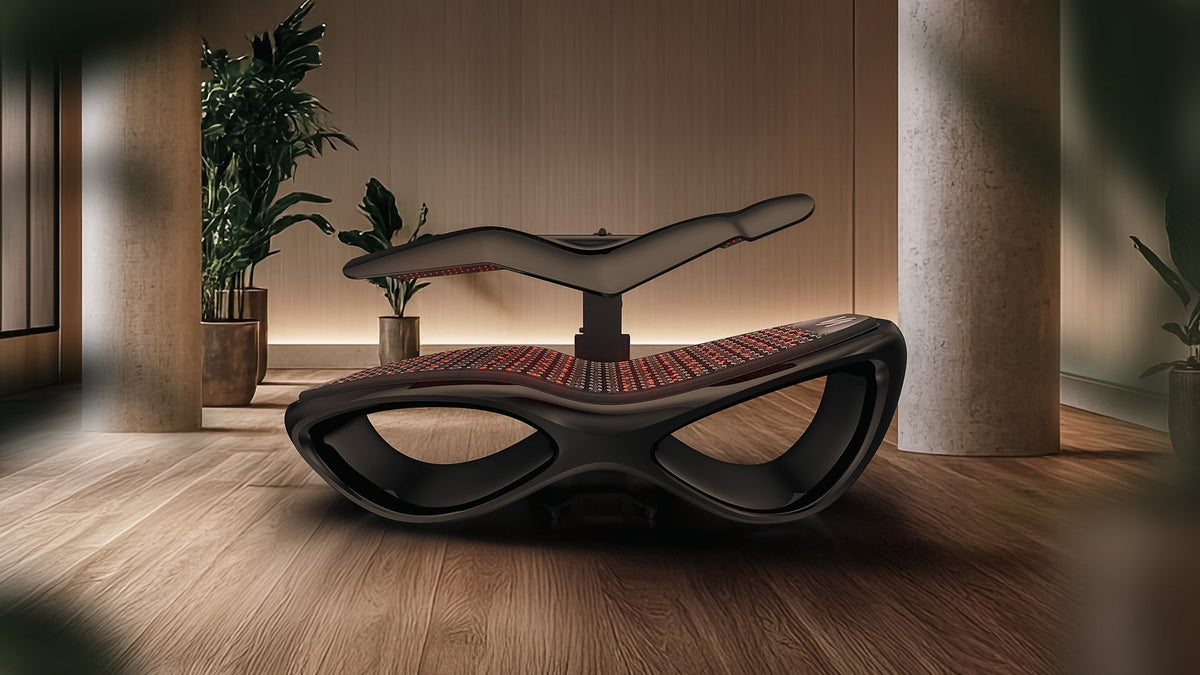
Not all recovery assets behave the same. A cold plunge or red light station is low-capex, high-utilisation and fast-payback, ideal as an everyday earner. A hyperbaric or premium cryotherapy chamber is high-capex and lower-volume, but commands a premium price and suits a clinic model. A healthy recovery business usually blends the two: everyday earners that pay the bills, and flagship kit that lifts positioning and price.

The machine is a one-off cost. Utilisation, running cost and retention are the business.
The services layer
The highest-margin move is to stop selling machines by the minute and start selling outcomes. Programmes, memberships, assessments and packages turn a transactional plunge into a recurring relationship, smooth out utilisation, and raise the price a customer will pay. The kit is the enabler; the service is the product.
The operator takeaway
If you judge commercial wellness by sticker price you will buy badly. Judge it by contribution: what each asset costs to run, how busy you can keep it, and what it lets you sell around it. On that measure recovery is one of the most forgiving and profitable categories in the building, provided you manage utilisation and count all three revenue lines.