Gym Recovery Equipment in the UK: The Operator's Shortlist
The highest-impact recovery equipment for a UK gym is a short, proven shortlist: cold plunge, compact sauna, red light and a compression or PEMF bed.
For a UK gym, the highest-impact recovery equipment is a short, proven shortlist: a cold plunge, a compact sauna, a red light station, and a compression or PEMF bed. Start there, prove the demand, and expand from evidence rather than a wish list.
The operator’s shortlist
You do not need one of everything. Four modalities cover the vast majority of what members actually want and will use: cold, heat, light and passive recovery. Together they give you the hot-and-cold ritual, a popular hands-off option, and a lie-down-and-switch-off station, which is a complete offer in a modest footprint.
Why these four
Cold and heat are the anchor because contrast is the ritual members already understand and build a habit around. Red light is the easy win: passive, popular and low-supervision. A compression or PEMF bed serves the members who want to lie down and recover without effort. Between them they cover active and passive, hot and cold, hands-on and hands-off.

What to skip at first
Resist the urge to buy a flagship chamber on day one. High-capex, lower-volume kit like hyperbaric or premium cryotherapy is better added once you have proven demand and want a premium tier. Start with the everyday earners, and let their utilisation fund the flagship later.
Budgeting the shortlist
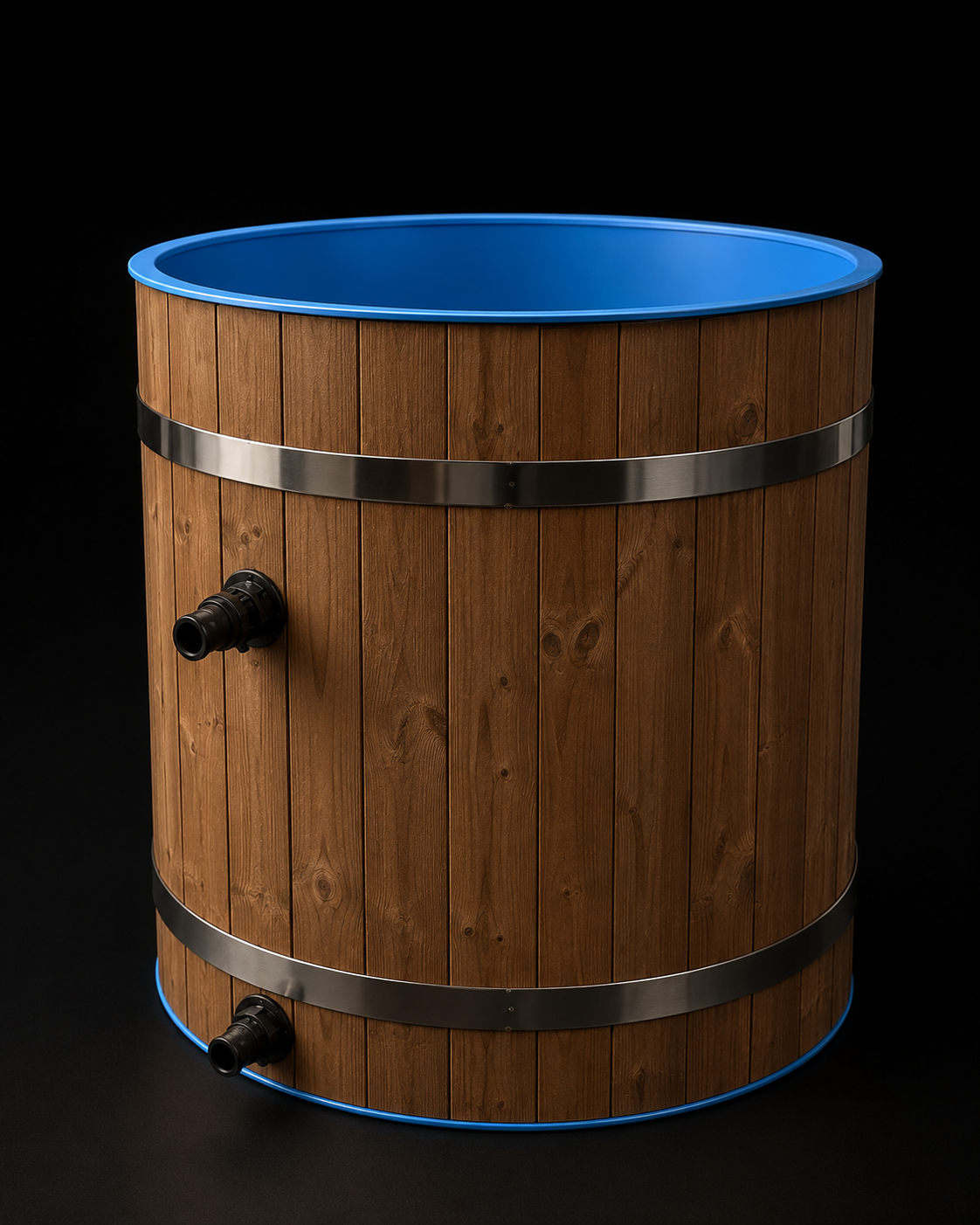
The starter shortlist is more affordable than most operators expect. An accessible ice bath starts around £4,000, a compact sauna a little above that, and a red light station and recovery bed round out the room. You can build a genuine, differentiated recovery floor for a fraction of a full spa fit-out.

Cold plunge for contrast and the noradrenaline hit. Compact sauna for heat and ritual. Red light station for passive recovery. Compression or PEMF bed for switch-off time. Prove utilisation, then add a flagship for a premium tier.
Buying in the UK
Buy from a supplier that delivers and installs across the UK and supports the kit afterwards. Recovery equipment is only an asset if it is installed properly and kept running, so weigh delivery, installation and after-sales support alongside the price. Plug-and-play kit that a team fits and services is worth more than a cheaper unit you have to wrestle into place.
FAQ
What recovery equipment should a UK gym start with?
A short, proven shortlist: a cold plunge, a compact sauna, a red light station, and a compression or PEMF bed. These four modalities cover cold, heat, light and passive recovery — most of what members actually want and use — in a modest footprint.
Why these four modalities?
Cold and heat anchor the offer because contrast is a ritual members understand and build a habit around. Red light is a passive, popular, low-supervision win, and a compression or PEMF bed serves members who want to lie down and recover without effort. Together they cover active and passive, hot and cold.
What recovery equipment should I skip at first?
Resist buying a flagship chamber on day one. High-capex, lower-volume kit such as hyperbaric or premium cryotherapy is better added once you have proven demand and want a premium tier. Start with the everyday earners and let their utilisation fund the flagship later.
How much does the starter shortlist cost?
Less than most operators expect. An accessible ice bath starts around £4,000, a compact sauna a little above that, with a red light station and recovery bed rounding out the room. You can build a differentiated recovery floor for a fraction of a full spa fit-out.
What should I look for when buying recovery equipment in the UK?
Buy from a supplier that delivers and installs across the UK and supports the kit afterwards. Recovery equipment is only an asset if it is installed properly and kept running, so weigh delivery, installation and after-sales support alongside the price.
The bottom line
Keep the first purchase disciplined: plunge, sauna, red light and a recovery bed. It is the shortlist with the best ratio of member demand to capital outlay, and it leaves room to grow into the flagship kit once the floor has proven itself.