Infrared Hot Pilates: A Clear, Honest Guide
Infrared hot pilates is low-impact movement done in a warm, enclosed capsule. Here is what the movement genuinely does for you, what the warmth actually adds (comfort and flexibility, not fat-burning), who it suits, and how to choose a capsule.
There is a particular kind of pleasure in moving your body in a warm room. Anyone who has ever stretched out on a sun-warmed patio, or rolled their shoulders back in a hot shower, knows the feeling: muscles that were stiff and reluctant a moment ago seem to soften and lengthen, and the whole business of moving becomes easier and rather lovely. Infrared hot pilates takes that simple, agreeable sensation and builds a proper session around it. You step into a warm, enclosed capsule, you move slowly and deliberately through a sequence of controlled poses, and you come out loose, limber and glowing in the way a good warm workout leaves you.
It has become one of the more talked-about things to put in a studio or a wellness space, and for good reason. But there is a fair amount of nonsense attached to it too, so this is an honest guide: what it is, what the movement genuinely does for you, what the warmth actually adds, and how to choose a capsule if you decide it is for you.
What infrared hot pilates actually is
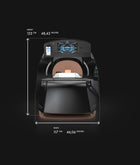
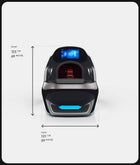
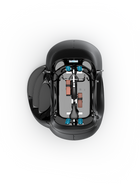
Strip away the branding and it is two familiar things put together. The first is pilates: a low-impact method of controlled movement built around core control, posture and breathing, performed through a set of deliberate poses rather than fast, jarring repetitions. The second is gentle warmth. In a capsule like the Helix Activshape Pilates, that warmth comes from quartz infrared heaters that bring the enclosed space up to around body temperature, roughly 36.6C, with the air kept comfortable rather than stifling.
Inside the Activshape capsule, the poses are guided on a screen, more than forty of them, so a session runs itself without an instructor standing over you. Light resistance ropes add a little gentle load for the limbs, a red light therapy mattress sits beneath you, and soft colour therapy sets the mood. The effect is less gym, more cocoon: a calm, self-contained room where the only thing to do is move, breathe and warm through.
The genuine benefits of the movement
Here is the important part, and the honest one. The thing in infrared hot pilates that is actually good for you is the pilates. Low-impact, controlled movement has a decent and growing body of evidence behind it, and it is worth knowing what that evidence does and does not say.
Flexibility and balance. A systematic review of pilates in healthy people by Cruz-Ferreira and colleagues, published in the Archives of Physical Medicine and Rehabilitation in 2011, judged the evidence for improvements in flexibility and dynamic balance to be strong, and the evidence for muscular endurance to be moderate. The authors were careful to note that the underlying trials were not of high quality, so this is encouraging rather than settled, but flexibility and balance are where pilates looks most convincing.
Core and muscular endurance. A randomised controlled trial by Kloubec, published in the Journal of Strength and Conditioning Research in 2010, put active adults through twelve weeks of twice-weekly pilates. It found real, measurable gains in abdominal endurance, hamstring flexibility and upper-body muscular endurance. Tellingly, it found no improvement in posture or balance over the control group, which is a useful reminder that pilates helps with some things more than others.
Low back pain. This is one of the better-studied uses. A Cochrane review by Yamato and colleagues in 2015 pooled ten trials of pilates for non-specific low back pain and found it reduced pain and disability compared with doing little or nothing, on low-to-moderate quality evidence. Crucially, the same review could not show that pilates beats other forms of exercise. In other words, it works, but it is not magic: it is good movement, and good movement helps.
General wellbeing. A meta-analysis by Fleming and Herring in Complementary Therapies in Medicine in 2018 pooled eight controlled trials and reported reductions in symptoms of anxiety and low mood. The authors stressed how few and how small the trials were, so this is a gentle signal rather than a headline, but it chimes with what most people report after a slow, focused, screens-off half hour: they feel better.
What the warmth actually adds
Now the warmth, and here honesty matters most. Warming the body before and during movement is one of the oldest ideas in sport. As David Bishop set out in his 2003 review of warm-up in Sports Medicine, raising tissue temperature reduces the stiffness of muscles and joints, which is exactly why a warm body feels looser and moves more freely than a cold one. So the warmth of a hot pilates capsule has a genuine and sensible role: it makes the movement more comfortable, it helps you ease into deeper positions, and it delivers that pleasant, limbered-up feeling that keeps people coming back.
What the warmth does not do is burn extra fat or calories, or detox you. We looked hard at this, and there is no credible evidence that heating the body during exercise melts away fat or flushes out toxins. If you weigh yourself after a session and the number has dropped, that is water you have sweated, and it comes straight back when you next have a drink. So enjoy the warmth for what it honestly is: comfort, flexibility and a better experience. The movement is what does you good. The heat just makes the movement a great deal more pleasant.
Who it suits, and a word on safety
Infrared hot pilates suits a lot of people rather well. It is low-impact, so it is kind to joints. It is guided and self-paced, so it does not demand that you already know what you are doing. And because the whole session happens in one calm, warm, private space, it appeals to people who find a busy studio floor off-putting.
A few sensible cautions, and this is general information rather than medical advice. Warm environments ask a little more of your body, so drink water before and after, and do not push on if you feel dizzy, faint or unwell. If you are pregnant, or you live with a heart condition, low or high blood pressure, or any condition affected by heat, have a quick word with your doctor before you start. The same goes if you are new to exercise or coming back after a long break. Heat suits most people, but not everyone, and there is no prize for ignoring how you feel.
How to choose a capsule, and what to look for
If you are a studio, gym, spa or club weighing one up, a few things separate a good capsule from a gimmick.
- Controlled, comfortable heat. Look for infrared that brings the space to a steady, body-temperature warmth rather than a blast of heat. The Activshape Pilates capsule uses quartz infrared to hold around 36.6C, which is warm enough to loosen you off without becoming a test of endurance.
- Guided sessions. On-screen guidance, forty or more poses in the Activshape, means clients can run a complete, properly structured session without an instructor on the rota. For an operator that is the real commercial draw: a premium class experience with no timetable and no teacher to pay.
- A genuine differentiator. A capsule like this gives a facility something the gym down the road does not have. It fills quiet hours, it sits happily on a relaxation-led menu, and it reads as a considered, premium addition rather than another machine in the corner.
- Honest claims. Choose a supplier who tells you what the kit does and does not do. Warmth, comfort, flexibility and a lovely experience: yes. Fat-burning and detox: no. A straight answer is a good sign.
You can see the full specification and buy the capsule on the Activshape Pilates product page, browse the wider range in Helix Active, or if you would rather talk it through with a person, book a call and we will help you work out whether it is right for your space.
The honest version
Infrared hot pilates is, at heart, a very old and very good idea given a comfortable modern home: move your body slowly and well, do it somewhere warm, and you will feel better for it. The movement earns its place on the evidence. The warmth earns its place on comfort and experience. Put the two together in a calm, well-made capsule and you have something people genuinely enjoy and come back to, which, for a studio, is the whole game.
Sources
- Cruz-Ferreira A, Fernandes J, Laranjo L, Bernardo LM, Silva A. A systematic review of the effects of pilates method of exercise in healthy people. Archives of Physical Medicine and Rehabilitation, 2011. doi.org/10.1016/j.apmr.2011.06.018
- Kloubec JA. Pilates for improvement of muscle endurance, flexibility, balance, and posture. Journal of Strength and Conditioning Research, 2010. pubmed.ncbi.nlm.nih.gov/20145572
- Yamato TP, Maher CG, Saragiotto BT, et al. Pilates for low back pain. Cochrane Database of Systematic Reviews, 2015. doi.org/10.1002/14651858.CD010265.pub2
- Fleming KM, Herring MP. The effects of pilates on mental health outcomes: a meta-analysis of controlled trials. Complementary Therapies in Medicine, 2018. pubmed.ncbi.nlm.nih.gov/29609943
- Bishop D. Warm up I: potential mechanisms and the effects of passive warm up on exercise performance. Sports Medicine, 2003. vuir.vu.edu.au/24257
This article is general information about movement and wellbeing. It is not medical advice. If you have a health condition or any concern, speak to a qualified professional before starting a new activity.