Why Recovery Is Becoming the New Gym Membership Battleground
For a decade gyms competed on kit and timetables. Both have been copied to the point of sameness. The next decade will be won on recovery.
For a decade, gyms competed on equipment and timetables, and both have now been copied to the point of sameness. The next competitive edge is recovery. A cold plunge, a sauna and a red light room give members a reason to choose you, and a reason to stay, that price alone never can, and they quietly lift retention across the whole membership base.
The sameness problem
Walk into almost any mid-market gym and you will find the same rack of treadmills, the same functional rig, the same spin studio. Equipment parity is the quiet crisis in the industry. A member cannot tell your dumbbells from the chain down the road, so they choose on cost and convenience, and that is a brutal position to defend. When everyone offers the same thing, the only lever left is price, and a price war is a race nobody wins.
Recovery breaks the deadlock because it is still rare, still felt, and still worth paying for. A sauna, an ice bath, a red light room or a compression lounge is something a member cannot replicate at home and cannot find on every high street. It gives them a reason to choose you that has nothing to do with being the cheapest, and one that is genuinely hard for a budget competitor to copy quickly.
Recovery is what members now expect
Expectations have moved. The same members who track their sleep and heart rate variability now expect the place they train to help them recover, not just sweat. They want somewhere to sit after a hard session, a reason to come in on a rest day, and an experience that feels like looking after themselves rather than punishing themselves.
This is a generational shift, not a fad. Younger members in particular treat recovery as part of training rather than a luxury bolted on afterwards, and they have watched enough content to know what an ice bath and a sauna are for. When they tour a gym, the recovery offer is increasingly the thing they ask about, and increasingly the thing that closes the sale.

What a recovery floor actually is
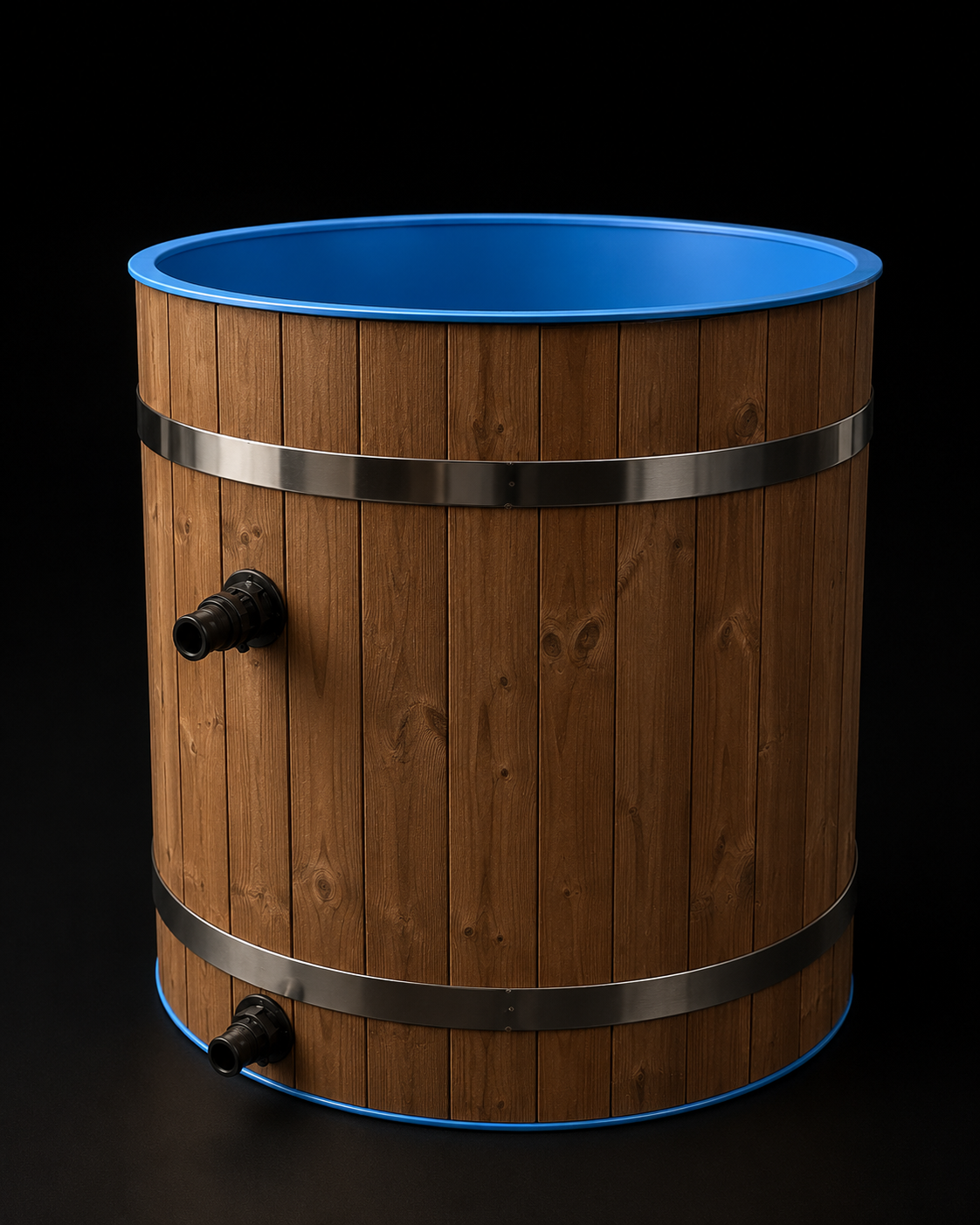
This does not require a spa. A working recovery floor can be built from a handful of high-impact modalities in a surprisingly small footprint. Most start with a cold plunge and a compact sauna, because hot and cold contrast is the ritual members already understand and the one they will build a habit around.
From there you layer in a red light station, which is passive, popular and low-supervision, and a PEMF or compression bed for the members who want to lie down and switch off. Add comfortable seating, decent lighting and a sense of calm, and you have turned dead floor space into the part of the building people actually look forward to. It is a complete, differentiated offer in the space of a couple of studios.
Cold plunge for contrast and the noradrenaline hit. Compact sauna for heat and the ritual. Red light station for passive, hands-off recovery. A PEMF or compression bed for switch-off time. Seating and calm lighting to make people linger. That is a genuine differentiator in roughly the footprint of two studio rooms.
The retention maths
This is where it stops being about image and starts being about money. Recovery increases visit frequency, and visit frequency is the single strongest predictor of whether a member renews. Every extra reason to walk through the door is another touchpoint that ties the member to your brand.
Think about the mechanism. A member who only comes to train has three or four reasons a week to visit. Give that same member a recovery routine they value and you add rest-day visits, longer stays, and a sense that the membership is part of how they look after themselves. A recovery lounge does not just sell sessions. It quietly lifts the retention rate across the whole base, and in a subscription business a couple of points of retention is worth more over a year than almost any acquisition campaign.
A treadmill is a tool. A recovery routine is a habit, and habits do not churn.
A tale of two gyms
Picture two gyms on the same road, same price, same kit. One adds a recovery floor. Within months its members have a reason to stay that the other cannot match, they talk about the plunge and the sauna to friends, and they think twice before cancelling because leaving means giving up a routine, not just a place to lift. The other gym is still competing on direct debit price. That is the whole story of the next decade in one street.

How to make it pay
There are three common models, and the best operators mix them. You can fold recovery into a premium membership tier, which lifts average revenue per member and rewards loyalty. You can charge per session or by day pass, which opens the floor to non-members and creates a new revenue line. Or you can run a hybrid, where members get limited access and pay to go beyond it. Whichever you choose, the goal is the same: fill the quiet hours, not just the peak, because utilisation is what turns a recovery floor from a nice gesture into a profit centre.
How to start without overcommitting
You do not need the full suite on day one. Start with the modalities your members already ask for, usually a plunge and a sauna, prove the usage, then expand from evidence rather than hope. Modular kit lets you grow the floor as demand grows, which keeps the risk low and the payback tight.
The real risk is not that recovery is a fad. It is the gym two miles away installing a recovery suite first. Once a competitor gives your members a reason to switch, you are no longer defending your timetable, you are defending your entire proposition.
The bottom line
Equipment got you to parity. Recovery is how you break out of it. It differentiates on something members can feel, it deepens the habit that keeps them paying, and it is still rare enough to be a real advantage. The gyms that treat recovery as core infrastructure now will be the ones not fighting on price in five years.