Roller Massage: A Clear, Honest Guide (And How to Choose a Device)
A warm, rhythmic, roll-and-knead massage that feels genuinely lovely — that is the real appeal of an automatic roller massage device like the Helix Rollshape. An honest, warmly told tour of what roller massage actually offers (relaxation, comfort and a pleasant treatment on the menu), a straight word on the detox and inch-loss hype, and how to choose a device for a spa, clinic or home.
There is a particular kind of comfort in being rolled. Anyone who has had a good masseuse work slowly up the backs of the legs, or who has leaned into a warm, kneading chair at the end of a long day, knows the feeling: a steady, rhythmic pressure that seems to iron the tension out of you one pass at a time. An automatic roller massage device sets out to bottle exactly that sensation — warm, profiled rollers travelling over the body in a slow, repeating rhythm — and, rather pleasingly, it largely succeeds. That is the honest heart of the thing, and it is a very good heart to have.
You will see this category marketed with a great deal more than that, of course. Roller massage devices are often sold on promises of detox, lymphatic drainage, cellulite cures and inches lost. We would gently ask you to set all of that to one side, because the real pleasure is simpler, and honestly a good deal nicer. So let us talk about what an automatic roller massage genuinely is, why it feels so good, who it suits, and how to choose one that earns its place.
What an automatic roller massage actually is
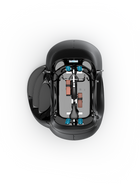
Strip away the styling and the idea is simple. You lie or sit against a bed of contoured rollers — on the Helix Rollshape they are smooth, profiled wooden rollers — and a quiet motor drives them in a slow, kneading motion across the body. The best machines pair that rolling with gentle infrared warmth, so the tissue is pleasantly heated as the rollers work, and some add soft coloured light for atmosphere. You choose a programme, settle in, and let the machine do the work: a deep, rhythmic, roll-and-knead massage, delivered the same way every time, without a therapist needing to stand over you.
The experience is the point. It is warm, rhythmic and quietly soothing — closer to a spa treatment than anything clinical — and it asks nothing of you except that you relax into it. That, more than any grand physiological claim, is what people come back for.
Why it feels so good — and what that is genuinely worth
Massage is one of the few wellbeing treatments that reliably helps you relax. This is not wishful thinking; it is about as well established as evidence in this field gets. A large meta-analysis of randomised trials found that a single session of massage therapy measurably reduced state anxiety, blood pressure and heart rate, and that a course of treatment reduced trait anxiety and depression by an amount comparable to psychotherapy (Moyer, Rounds and Hannum, Psychological Bulletin, 2004). The pleasant, calmed-down feeling you get from a good massage is real, and it is measurable.
The rolling itself has a modest, honest evidence base. Roller massage — the mechanical, roll-over-the-tissue kind — has been studied mostly in the context of exercise. A meta-analysis of twenty-one studies found that rolling produced a small but genuine improvement in flexibility and a useful reduction in the perception of muscle soreness, while differences between one rolling device and another were not of much practical importance (Wiewelhove et al., Frontiers in Physiology, 2019). The effects are described by the authors themselves as minor rather than miraculous — which is exactly the right register for honesty — but a gentle easing of stiffness and soreness is a perfectly nice thing to offer.
Massage helps muscles feel recovered. When researchers pooled ninety-nine studies of post-exercise recovery methods, massage came out as the most effective single technique for reducing delayed-onset muscle soreness and perceived fatigue (Dupuy et al., Frontiers in Physiology, 2018). Again, the honest framing matters: this is about how recovered you feel and how sore your muscles are, not a dramatic change to performance. But feeling less sore and more relaxed is a genuine, worthwhile outcome — and a lovely one to build a treatment around.
Enjoyment is the quiet hero. The warmth, the rhythm and the sheer pleasantness of a roller session are not a side benefit — they are the benefit. The best treatment in the world is the one a person actually looks forward to and repeats, and a warm, rhythmic massage is about as easy a habit to keep as wellbeing offers.
Who it suits
Seen clearly, an automatic roller massage has a generous and genuine niche.
For a spa, clinic or studio, it is a near-perfect menu addition. Because it runs its programmes automatically, it delivers a relaxing, repeatable treatment without tying up a therapist for the whole session — which is the quiet commercial magic of the thing. It is a differentiated, premium experience clients enjoy and book again, and on the Rollshape it can be finished in your own colours and branding to suit the room. Beauty and aesthetic studios, wellness centres, recovery lounges, gyms with a treatment menu and hotels all find it an easy, welcoming addition.
For the home, it is simply a lovely way to unwind. If you have the space and you like the idea of a warm, rhythmic massage on tap at the end of the day, it delivers precisely that — relaxation and comfort, no appointment required.
An honest word — and a note on safety
Here is the one honest touch this guide needs: ignore the detox, lymphatic-flush, cellulite-cure and inch-loss promises that cling to this category. The evidence for those is thin to non-existent, and they are not what makes a roller massage worth having. The real appeal is far simpler and genuinely pleasant — a warm, soothing, rhythmic massage that helps you relax and leaves muscles feeling eased. Enjoy it for that, and it will never disappoint you.
A quick word on safety. Roller massage is gentle, but it is not for everyone at every moment. If you are pregnant, have varicose veins, a history of blood clots or any circulatory condition, have had recent surgery, or have a skin condition or any medical condition you are unsure about, have a quick chat with your doctor before you begin. Stop if anything feels painful rather than pleasant. This article is general wellbeing information, not medical advice.
So how do you choose one?
Once you know the experience you want to offer, the choice comes down to a few practical things.
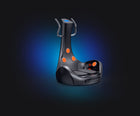
The roll and the warmth. Look for smooth, well-profiled rollers and a quiet, reliable drive, because those are what make a session feel good rather than fidgety. Gentle infrared warmth adds a great deal to the comfort, and preset programmes plus a manual mode let you aim a session at pure relaxation or a firmer knead. The Helix Rollshape pairs profiled wooden rollers with infrared warmth, soft colour light and a 10-inch touchscreen with four presets and a manual mode, on a quiet three-phase drive built for long days.
Home or commercial? For a studio, clinic or spa, the questions that matter are the practical ones: build quality and the drive mechanism, easy wipe-down and hygiene between clients, throughput across a busy day, warranty, and whether it can be finished to match your room. A machine that runs reliably from open to close and is simple to clean will serve you far better than one with the longest feature list.
You can see the Rollshape alongside the rest of our recovery range in the Helix Recovery collection. And if you would like to talk through what genuinely fits your space, your clients and your budget, you can book a call and we will give you a straight, friendly answer — including an honest one if a roller is not the right fit for you.
The happy sign-off
An automatic roller massage is, at its best, exactly what it feels like: a warm, rhythmic, thoroughly pleasant massage that helps you relax and leaves muscles feeling eased, delivered the same lovely way every time. Forget the detox and the inch-loss — the simple pleasure is the whole point, and it is reason enough. Settle into the warmth, let the rollers do their slow work, and enjoy it for what it genuinely is. And if your doctor says wait, wait.
Sources
- Moyer CA, Rounds J, Hannum JW. A Meta-Analysis of Massage Therapy Research. Psychological Bulletin, 2004;130(1):3–18. link
- Wiewelhove T, Döweling A, Schneider C, et al. A Meta-Analysis of the Effects of Foam Rolling on Performance and Recovery. Frontiers in Physiology, 2019;10:376. link
- Dupuy O, Douzi W, Theurot D, Bosquet L, Dugué B. An Evidence-Based Approach for Choosing Post-exercise Recovery Techniques to Reduce Markers of Muscle Damage, Soreness, Fatigue, and Inflammation: A Systematic Review With Meta-Analysis. Frontiers in Physiology, 2018;9:403. link