Wellness Centre ROI: How to Model the Payback on a Recovery Fit-Out
Recovery equipment is a capital decision, not an impulse buy. A straightforward way to model the payback, and the levers that decide whether it lands in months or years.
Before you spend a pound on a recovery fit-out, you should be able to answer one question with numbers: how long until it pays for itself? Recovery equipment is a capital decision, not an impulse buy. Modelled across three revenue levers, a modest recovery room often repays inside twelve to eighteen months, and faster once membership uplift and retention are counted.
The three revenue levers
A recovery space earns in three distinct ways, and a good model counts all three.
1. Direct revenue
Paid sessions, day passes, class add-ons and packages. This is the obvious line and the easiest to forecast, because it is simply price multiplied by usage. It is also the line most operators over-estimate, because they model a busy evening and quietly forget the empty mid-morning.
2. Uplift
The higher membership tier or premium treatment package recovery lets you introduce. If a recovery floor lets you add a tier at a few pounds more per month, that increment across your whole base can dwarf the direct session revenue, and it arrives with almost no extra cost to serve.
3. Retention
The members who stay longer because the recovery offer gives them a reason to. Retention rarely appears on the recovery line of a spreadsheet, which is exactly why it is undervalued. A one or two point improvement in monthly churn is worth more over a year than most operators expect, and recovery is one of the few additions proven to move it.
A worked example
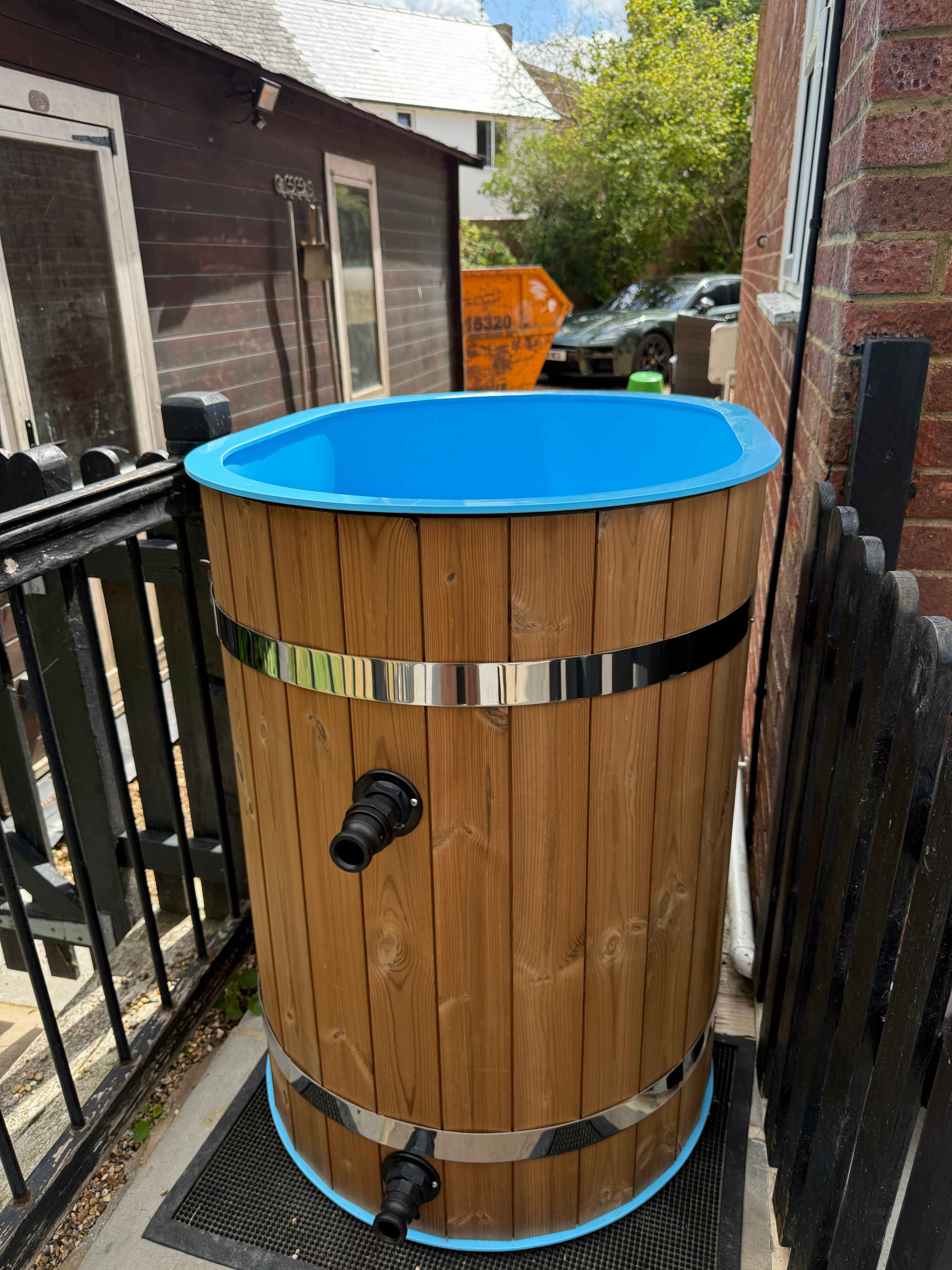
Take a modest recovery room with an ice bath, a two-person sauna and a red light station. The figures below are illustrative, not a quote, and every facility differs, but they show how the maths comes together.
| Line | Illustrative figure |
|---|---|
| Equipment and fit-out | £30,000 |
| Sessions sold per week | 60 |
| Average revenue per session | £12 |
| Monthly recovery revenue | approx £3,120 |
| Monthly running and maintenance | approx £600 |
| Net monthly contribution | approx £2,520 |
| Simple payback | approx 12 months |
Notice what this does not even count: the members who upgraded to a recovery-inclusive tier, and the ones who did not cancel because the plunge became part of their week. Add those in and the same room pays back faster. The direct sessions are the floor of the return, not the ceiling.
A second scenario: the premium clinic
Now run the same room in a longevity clinic charging clinical rates. Fewer sessions per week, but at three or four times the price, and often sold as part of a programme rather than a single visit. The equipment cost is similar, the revenue per session is far higher, and the payback can land in well under a year. The lesson is not that one model is right, it is that utilisation and price point together decide the outcome, so you must model your own numbers rather than borrow someone else’s.
The costs you must model
A clean model includes more than the sticker price. Budget for the equipment, delivery and professional installation, running costs such as power and water, ongoing maintenance and consumables, and any staff time to manage bookings and turnaround. Leaving running costs out is the most common mistake, and it is the one that turns an optimistic spreadsheet into a disappointing year. A precision-chilled ice bath draws power to hold temperature, and a sauna has an electrical load you need to plan for. Neither is expensive to run, but both belong in the model from the start.

Utilisation is everything
Return on a recovery fit-out lives and dies on how busy the space is. A room booked solid at peak and empty at eleven in the morning behaves very differently from one with steady all-day flow. Model your realistic utilisation, not your best day, and price to fill the quiet hours rather than only the busy ones. A slightly lower off-peak price that doubles usage almost always beats a premium price that leaves the room idle. Booking density, not headline price, is the number to obsess over.
How to price it
Three models dominate, and most operators blend them. Included access folds recovery into a premium membership tier and rewards loyalty while lifting average revenue per member. Pay-per-use charges by session or day pass and opens the room to non-members. A hybrid gives members a limited allowance and charges beyond it. The right mix depends on whether your bottleneck is footfall or capacity.
Equipment and fit-out. Delivery and installation. Power, water and consumables. Maintenance and servicing. Staff time for turnaround and bookings. Realistic off-peak utilisation. Then the three revenue lines: direct, uplift and retention. Miss the running costs or the retention line and the answer will be wrong in both directions.
Typical payback windows
As a rough guide, a well-run recovery room in a busy site often pays back inside twelve to eighteen months on direct revenue alone, and faster once uplift and retention are counted. A premium clinic charging clinical rates can be quicker still, while a quiet site with thin footfall can take considerably longer, which is the whole reason to model utilisation honestly before you buy.
How to de-risk the decision
You do not have to commit to a full suite on day one. Start with the modalities your members already ask for, usually a plunge and a sauna, prove the utilisation, then expand from evidence rather than hope. Modular kit lets you grow the room as demand grows, which keeps the payback tight and the risk low. The best recovery businesses were not built in one purchase order. They were built one proven modality at a time.
The bottom line
A recovery fit-out is not a leap of faith if you model it properly. Count all three revenue lines, be honest about utilisation and running costs, start modular, and the payback maths usually works comfortably. The operators who get burned are the ones who bought on excitement rather than a spreadsheet. Build the spreadsheet first, and the decision makes itself.