Why Gyms Are Ripping Out Unused Spa Areas for Recovery Floors
Underused spa corners cost money and earn little. Recovery floors earn their space three times over. Why gyms are making the swap.
Across the country, gyms are quietly ripping out underused spa areas, the jacuzzi nobody cleans and the steam room nobody books, and replacing them with recovery floors that members actually queue for. The logic is simple: a recovery floor earns its space, and a traditional spa corner rarely does.
The unused spa problem
Plenty of gyms inherited a spa area from a previous fit-out or a more optimistic era: a small pool, a jacuzzi, perhaps a steam room. On paper it sounds premium. In practice it is often the least efficient square footage in the building, expensive to heat and maintain, lightly used, and quietly resented by whoever signs off the utility bills. It photographs well and earns almost nothing.
Why the wet-spa model stopped working
The traditional spa was built around relaxation, not results. Today’s member wants an outcome they can feel and measure: a plunge that sharpens them up, a sauna that leaves them loose, a red light session they can point a wearable at. A lukewarm jacuzzi does not fit that brief, and it carries a heavy running cost and hygiene burden that a modern recovery floor simply does not.
What a recovery floor does differently
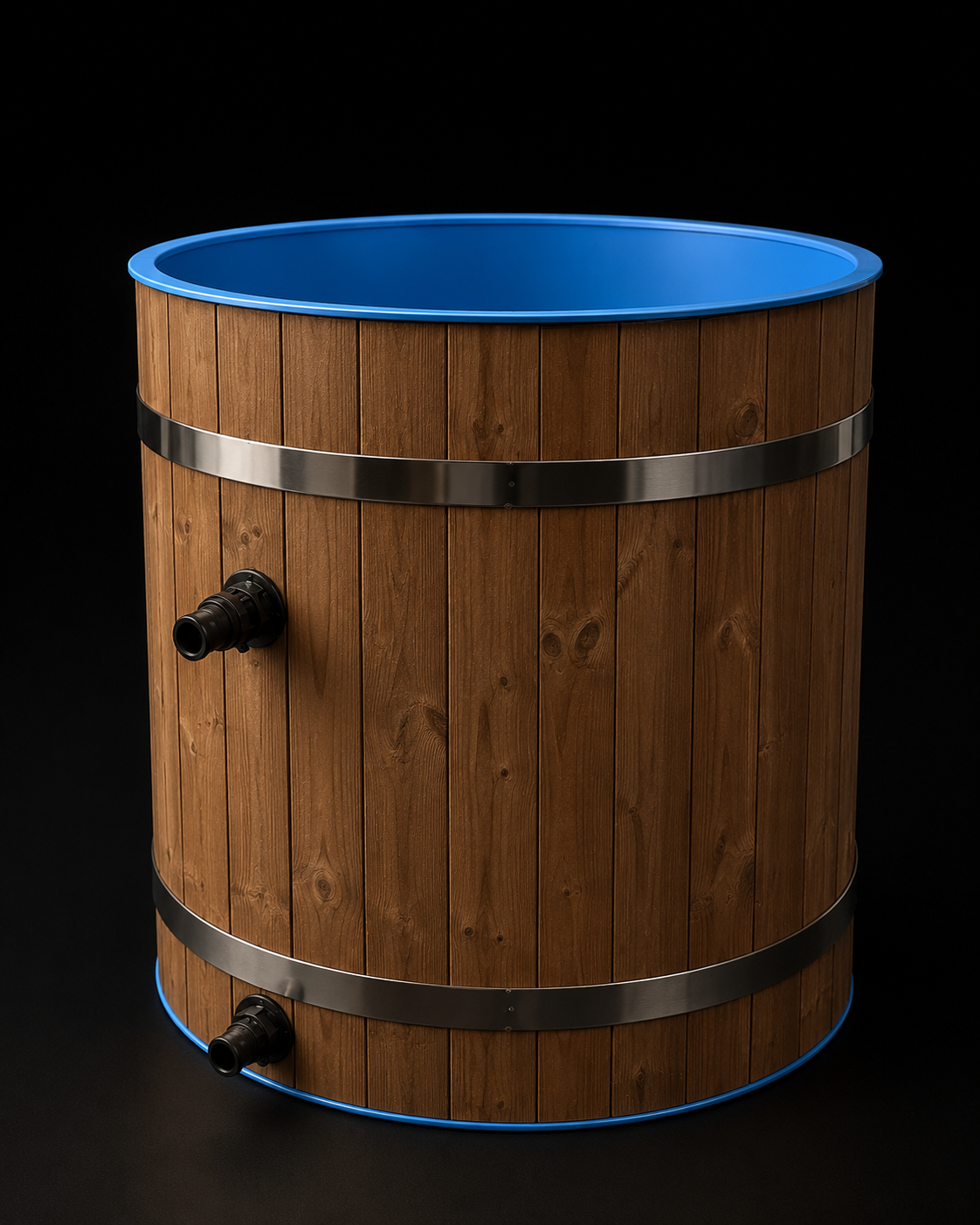
A recovery floor swaps vague relaxation for specific, repeatable protocols. Cold plunge, sauna, red light, compression and PEMF each do a defined job, and members build habits around them. The kit is largely dry, modular and far cheaper to run than a heated pool, so the same footprint flips from a cost centre into a profit centre.

The revenue swap
Here is the maths driving the trend. A spa corner is pure overhead: it costs to run and generates no direct revenue. A recovery floor in the same space can be charged by session, bundled into a premium tier, and used to lift retention. You are not just cutting a cost, you are converting dead space into three revenue lines at once.
The old spa: high running cost, heavy maintenance, low usage, no direct revenue. The recovery floor: lower running cost, modular kit, high usage, and three ways to earn, direct sessions, premium tiers and retention. Same square metres, opposite contribution to the P&L.
The member response
The clearest signal is behaviour. Where the jacuzzi sat empty, the plunge and sauna develop queues at peak, become the backdrop of members’ social posts, and give people a reason to arrive early or stay late. That visibility is free marketing the old spa never generated.

A spa corner is something members walk past. A recovery floor is something they plan their session around.
How to make the switch
You do not have to gut everything at once. The cleanest path is to decommission the highest-cost, lowest-use wet asset first, usually the pool or jacuzzi, and drop a cold plunge and a compact sauna where it stood. Prove the usage, then expand with red light and compression. Because the new kit is modular and mostly dry, the conversion is far less disruptive than a wet-spa refit.
The bottom line
An underused spa is expensive nostalgia. A recovery floor is the same space working for its keep, giving members an outcome they value and giving you revenue and retention the jacuzzi never could. That is why the buckets and steam rooms are coming out, and the plunges and saunas are going in.